Bay of Islands
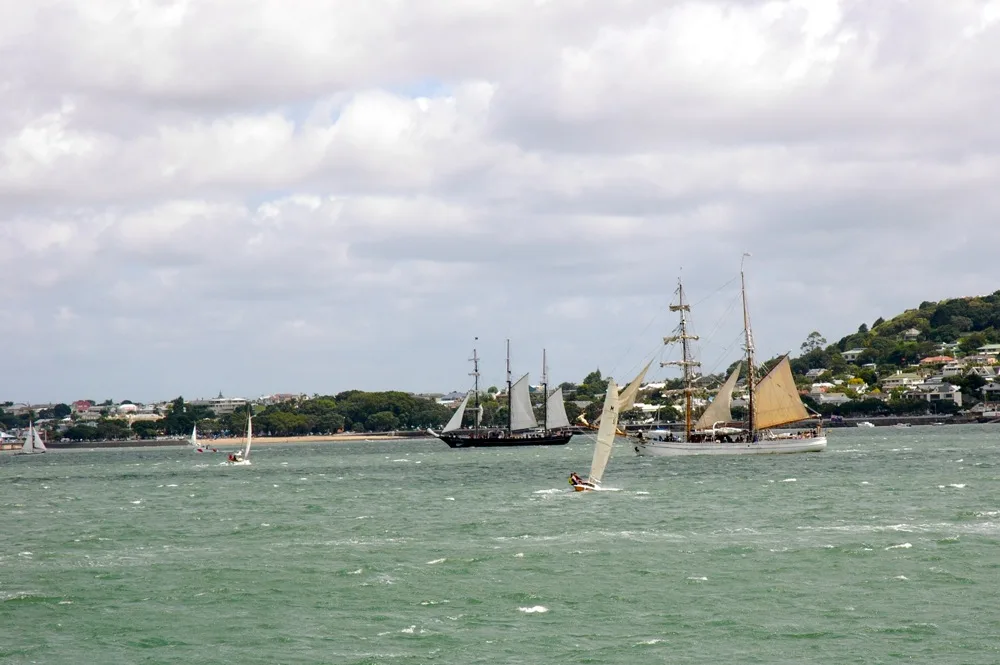
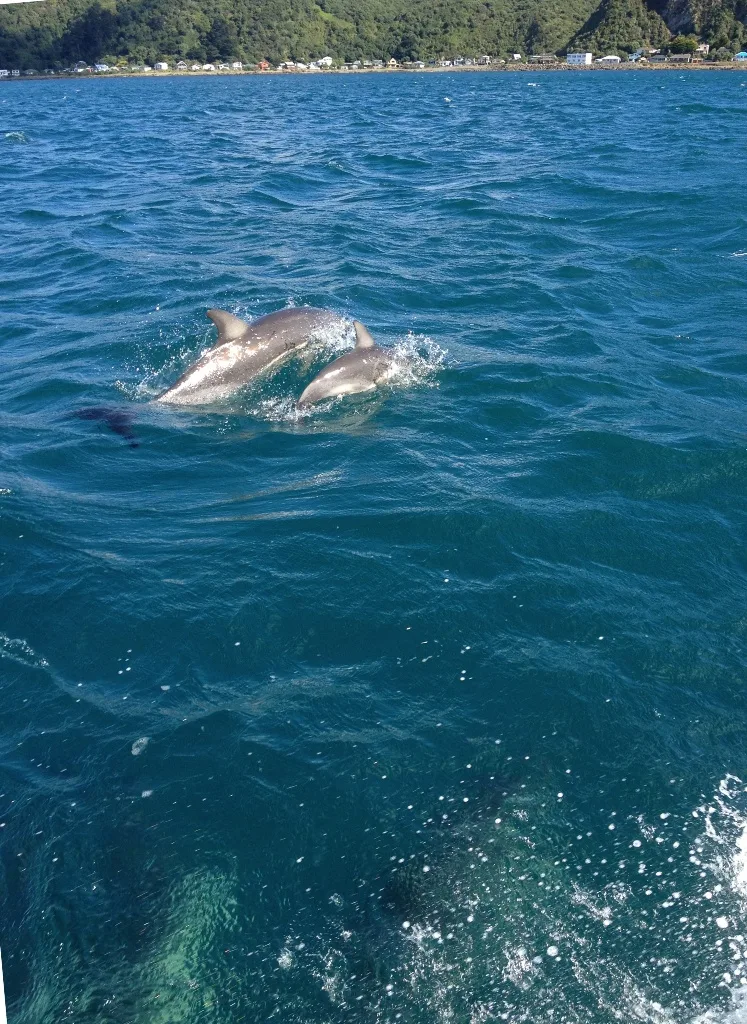
The Bay of Islands is a warm, sheltered stretch of Northland coast scattered with 144 islands. The main draw is the water: sailing, swimming and cruises out among the islands to the Hole in the Rock, often with dolphins along the way. It is also where modern New Zealand began, with the Waitangi Treaty Grounds a short drive from Paihia.
The bay centres on two small towns. Paihia is the main base, with the wharf where most cruises and ferries leave. Russell, a short passenger ferry across the water, is older and quieter, once a rough whaling port and now a calm village of historic buildings.
What to do
Boat trips are the main event: day cruises to the Hole in the Rock at Cape Brett, dolphin-watching tours, and sailing trips that anchor off a beach for swimming. On land, the Waitangi Treaty Grounds tell the story of the 1840 treaty between the Crown and Māori, with carved meeting houses, a war canoe and guided tours. Russell, Kerikeri's historic mission buildings and quiet beaches fill the rest of a stay.
Tours & activities
Most visits revolve around a boat. The classic Hole in the Rock cruise on a fast catamaran runs about three to four hours and costs roughly NZD 120 to NZD 160 per adult. Sailing trips on a yacht or catamaran for a half or full day, with swimming and lunch, run around NZD 120 to NZD 180. Dolphin-watching is often built into these cruises rather than sold separately.
The Waitangi Treaty Grounds charge an entry fee, around NZD 60 for international visitors, including a guided tour and cultural performance. Book cruises ahead in summer when the wharf is busy. The passenger ferry to Russell is cheap and runs all day, so you do not need a tour to cross.
Getting there
Paihia is about three to three and a half hours north of Auckland by car on State Highway 1, a straightforward drive that passes Whangārei. Coaches run the same route daily if you have no car. There are also short flights from Auckland to Kerikeri, about 25 minutes by air, with Paihia a further 25 minutes by road.
Once in the bay, the passenger ferry links Paihia and Russell, and a separate car ferry crosses near Ōpua if you are driving. Roads in Northland are sealed on the main routes but narrow and winding on side roads, so allow extra time to reach quieter beaches.
Best time to visit
Northland is the warmest part of the country, so the bay is pleasant much of the year. Summer (December to February) is peak: warm seas for swimming, every cruise running, but packed wharves and higher prices, with Christmas and January the busiest. Autumn keeps warm water with fewer people. Winter is mild compared with the south but cooler and wetter, with some tours on reduced timetables. Spring warms up again and is quieter than summer. For swimming and sailing, late spring to early autumn is the sweet spot.
Tips
- Book the main cruises ahead in summer; the wharf gets very busy.
- Take the cheap passenger ferry to Russell for a quieter half day.
- Allow a couple of hours for the Waitangi Treaty Grounds and its tour.
- Bring sun protection and a hat; Northland sun is strong.
- Carry a swimsuit and towel for the sailing trip beach stops.
- Watch for seasickness on the open run out to the Hole in the Rock.
- Use Ōpua's car ferry if you are driving across to Russell.
- Check whether dolphin watching is included before paying separately.
FAQ
Photos