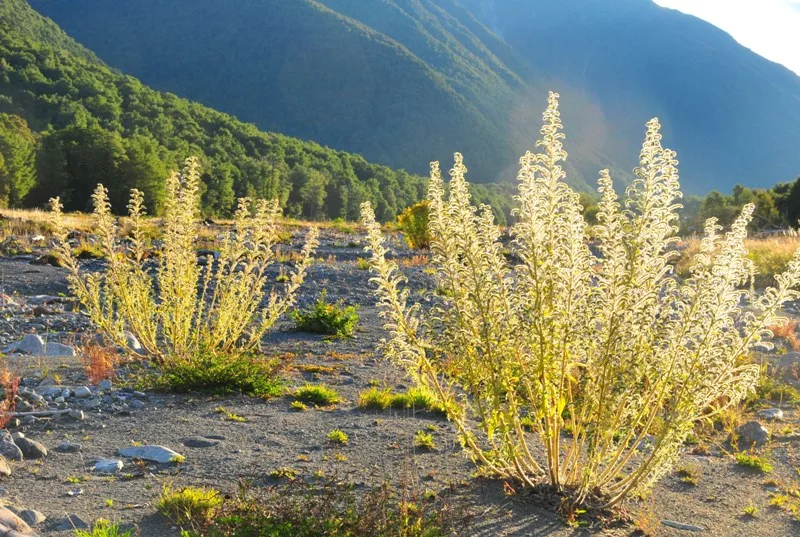
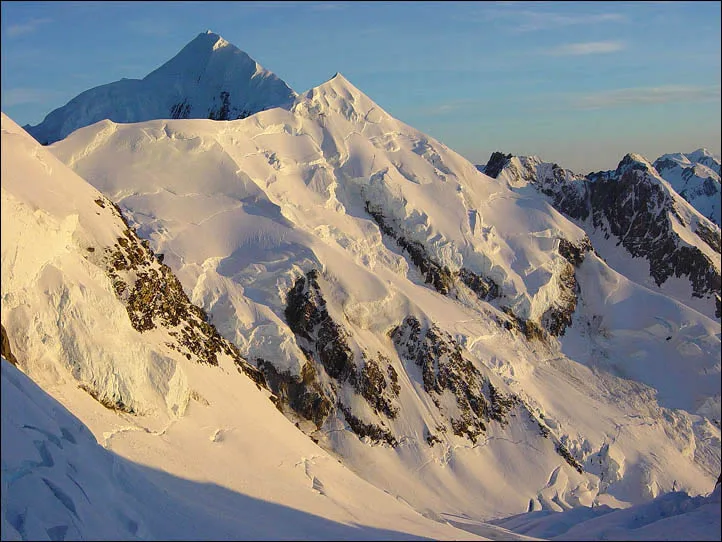
Le plus haut sommet du pays, des vallées glaciaires accessibles et certaines des plus belles marches faciles de l’île du Sud.
En bref
Entrée
National park entry and main walks are free; tours are paid.
Hours / access
Tracks are open year round, but alpine weather and winter ice can close routes.
Time needed
Allow 3 hours for Hooker Valley Track, or a full day for the area.
Booking
Book glacier boats, flights and village accommodation early in peak season.
Aoraki / Mount Cook se découvre très bien même sans expérience alpine. Le village est petit, entouré de sommets, et la Hooker Valley Track donne accès à un paysage de haute montagne sans difficulté technique par beau temps.La météo décide beaucoup ici. Les nuages peuvent cacher les sommets, mais une éclaircie suffit parfois à transformer la journée. Rester une nuit augmente vos chances de voir la montagne.
Que faire
Hooker Valley Track est la marche la plus connue. Tasman Glacier View Track est plus courte et donne une autre lecture du paysage glaciaire. Les vols panoramiques sont impressionnants mais très dépendants des conditions.
Préparation
Prenez eau, protection solaire, veste chaude et chaussures correctes. Le vent peut être froid même en été. Les hébergements au village sont limités, donc Twizel peut être une base plus simple et moins chère.
Tours et activités
Les vols panoramiques et sorties sur glacier dépendent fortement de la météo. Réservez tôt, mais gardez un plan de rechange.
S'y rendre
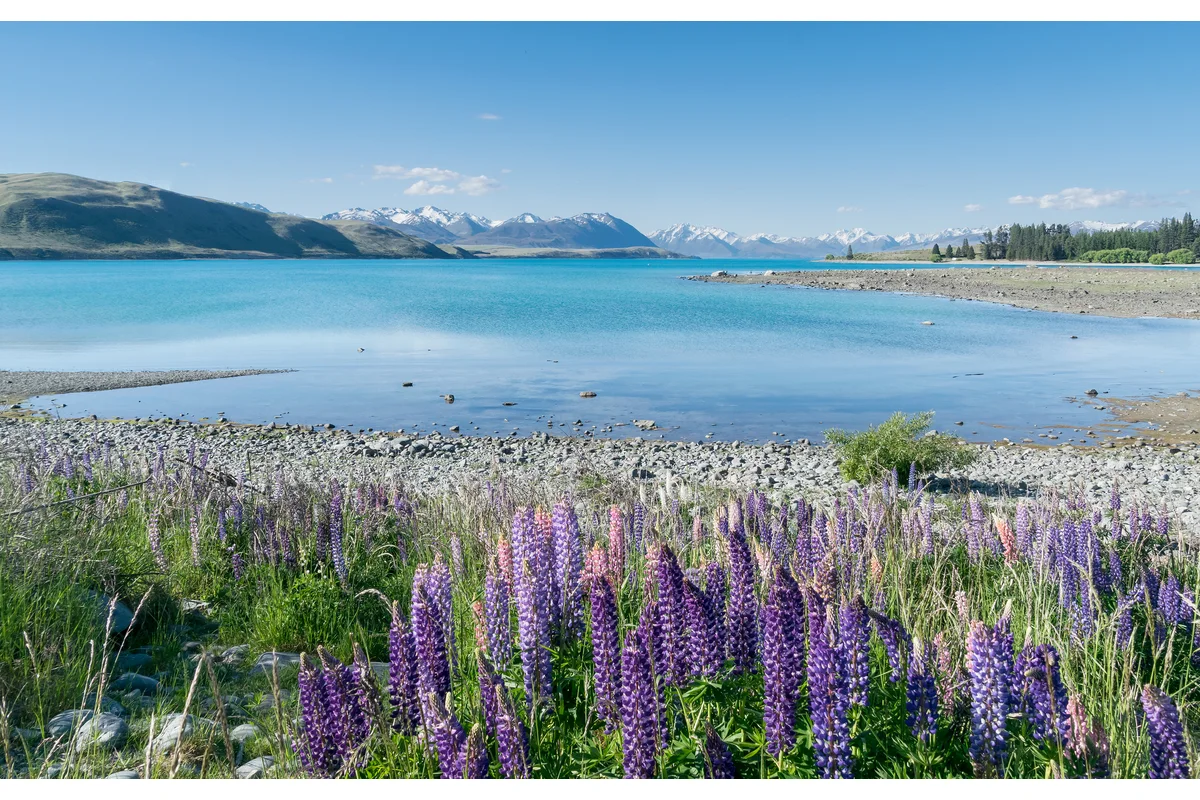
La route longe Lake Pukaki depuis Twizel. Elle est simple par beau temps, mais exposée au vent et à la neige en hiver.
Meilleure période
Octobre à avril pour la marche. L’hiver est beau mais plus froid et parfois enneigé.
Conseils
Prenez de l’eau, une protection solaire et une couche chaude. Même une marche facile peut devenir fraîche avec le vent.
FAQ
The Hooker Valley Track is the favourite: flat, about three hours return, with swing bridges and a glacial lake at the end.
Not for the valley tracks, which are easy and well formed. Longer alpine routes are for experienced trampers only.
Yes. The whole area is a Dark Sky Reserve, and on a clear night the stars are exceptional. Tours run from the village.