Nature
Franz Josef Glacier
Un glacier accessible depuis la côte ouest, entouré de forêt humide, de montagnes et de météo changeante.
En bref
Entrée
The valley walk is free; heli-hikes and scenic flights are paid.
Hours / access
Valley access is daylight and weather dependent; flights run only in safe conditions.
Time needed
Allow 1.5 hours for the valley walk, or 3 to 4 hours for a heli-hike.
Booking
Book flights early and leave a spare day in case weather cancels them.
Franz Josef est une base pratique pour voir un paysage glaciaire depuis la côte ouest. Le glacier a reculé, donc les vues depuis la vallée sont plus lointaines qu’autrefois, mais le cadre reste fort: forêt humide, montagnes et météo changeante.Les marches vers les points de vue sont simples à organiser. Les sorties guidées sur glace et les vols en hélicoptère sont chers et souvent annulés quand le temps bouge, ce qui arrive fréquemment ici.
Comment l’intégrer
Franz Josef fonctionne bien entre Haast, Fox Glacier, Hokitika et Arthur’s Pass. La route est longue, sinueuse et belle. Ne prévoyez pas une activité aérienne juste avant un trajet serré ou un vol.Conseils
Gardez une journée souple si un heli-hike compte beaucoup pour vous. Sinon, profitez des points de vue, des petites marches et des sources chaudes quand elles sont ouvertes.Tours et activités
Les heli-hikes sont chers et très dépendants du temps. Réservez avec une marge dans votre itinéraire.
S'y rendre
La route de la West Coast est longue et lente. Faites le plein avant les grands tronçons, surtout depuis Wānaka ou Haast.
Meilleure période
Les mois plus secs sont souvent plus simples, mais la côte ouest reste imprévisible toute l’année.
Conseils
Ne planifiez pas une activité aérienne le matin de votre départ. Gardez une option gratuite si le vol est annulé.
FAQ
Only on a guided heli-hike, weather permitting. The valley walk from the car park reaches a viewpoint but no longer touches the ice.
The valley walk is fine in light rain, but heli-hikes are grounded in bad weather, so allow a spare day if that is your plan.
The town has hot pools, and Fox Glacier with its lake is a short drive south.
Photos de la communauté
Photos
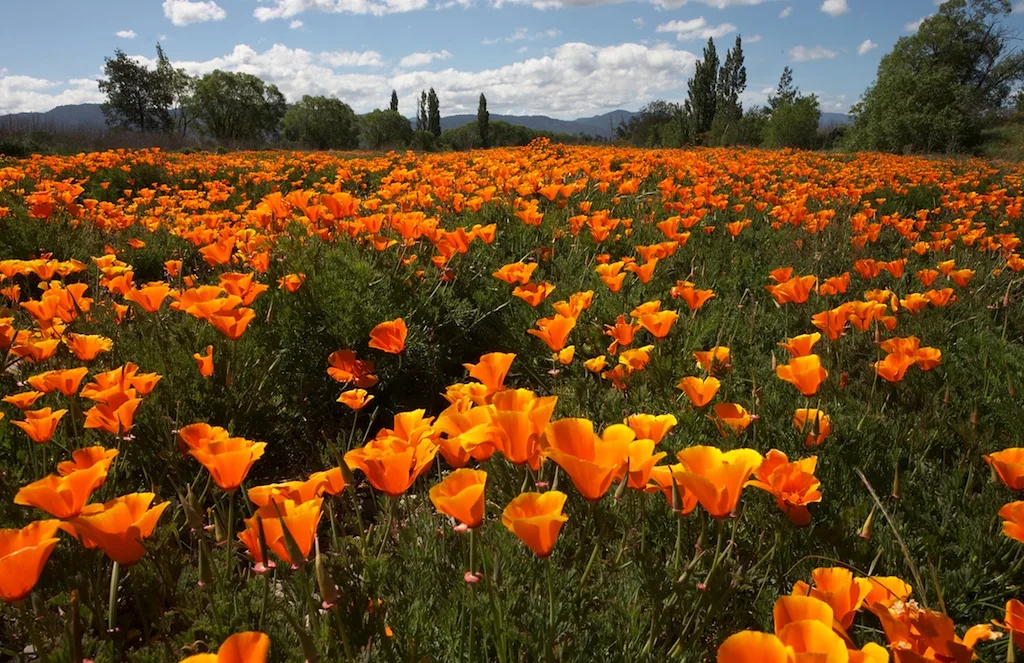
© frt
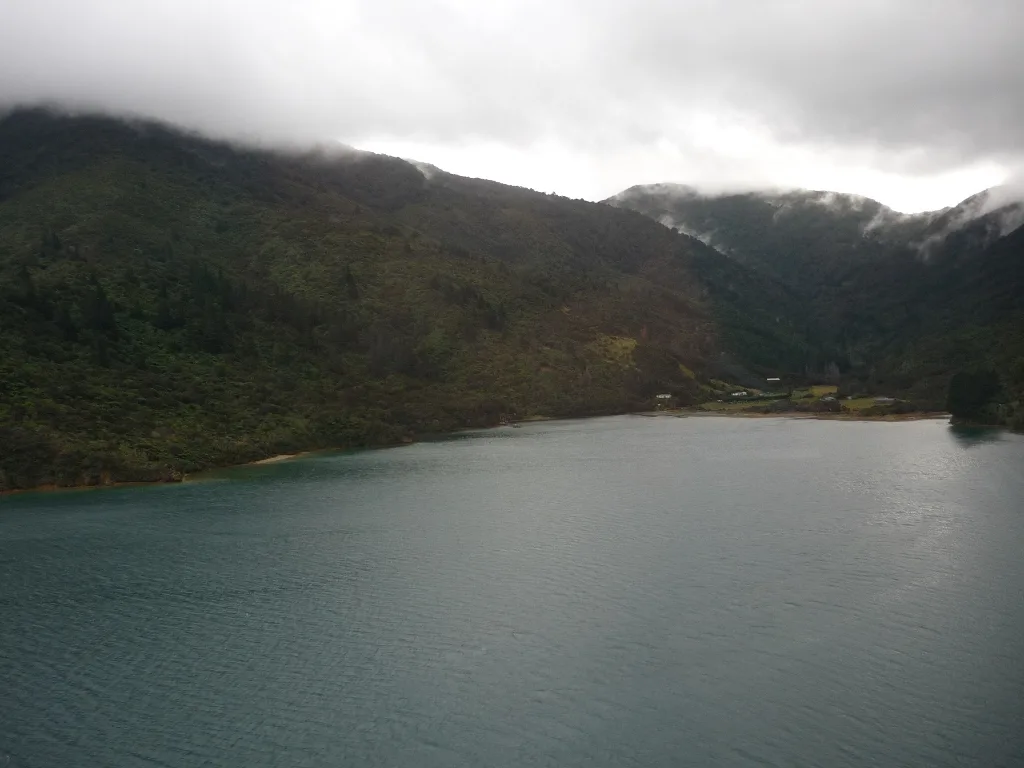
© curious
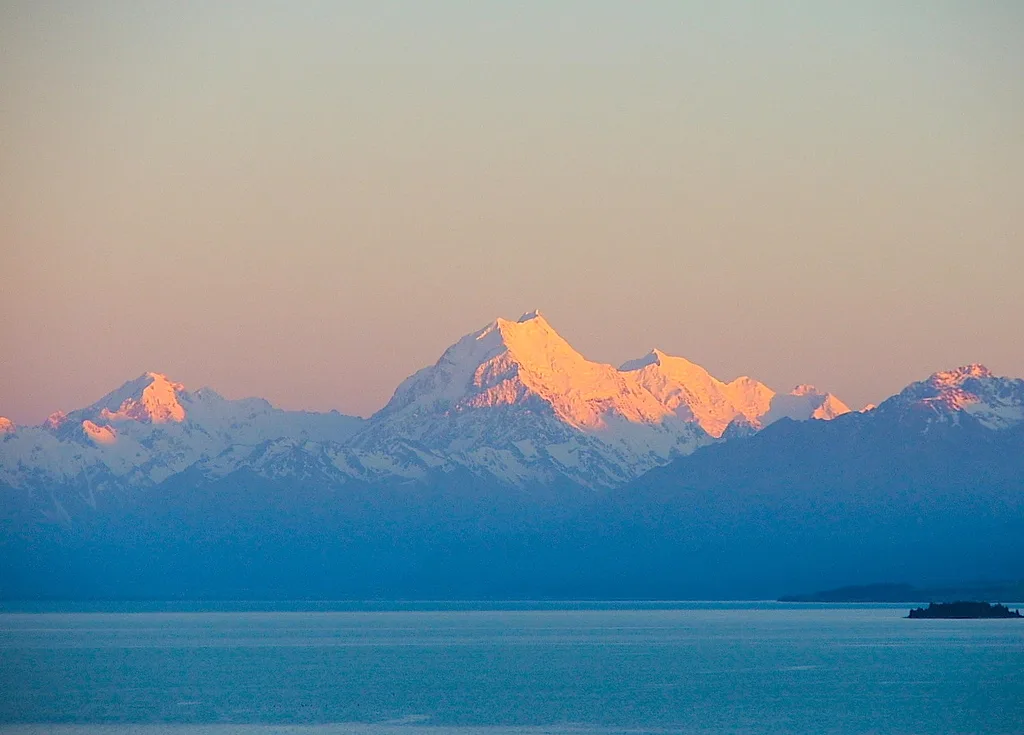
© VLAD
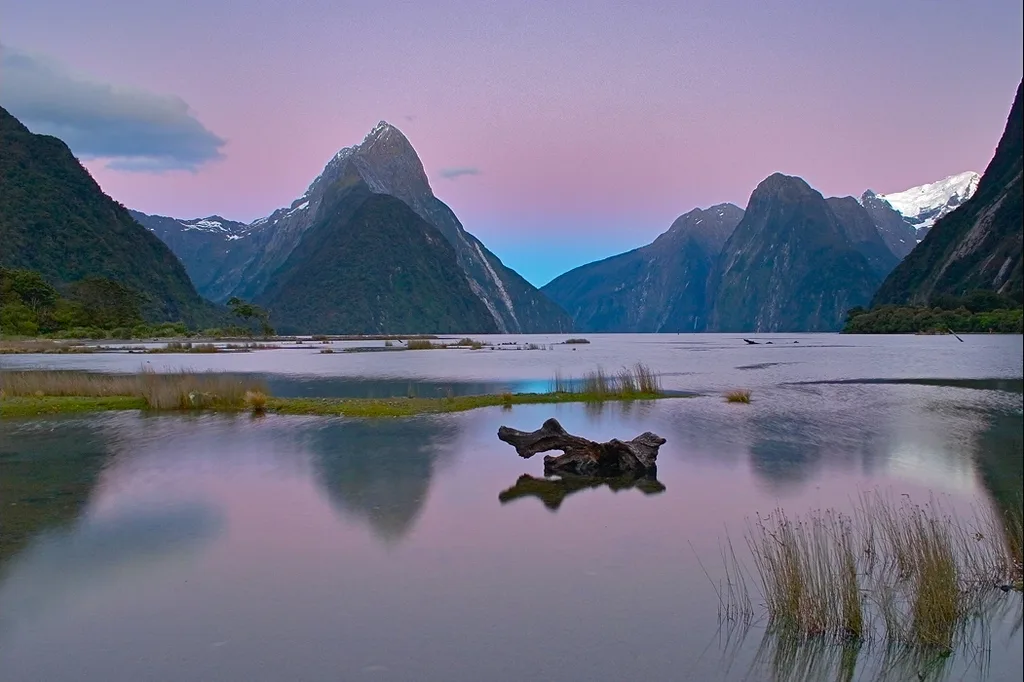
© VLAD
© amadonus
© VLAD
© frt
© z-jones
© curious
© Kley
© Modest
© amadonus
© Галина_рл
© curious
© Анжел
© VLAD
© amadonus
© amadonus
© frt
© z-jones
© curious
© curious
© curious
© curious
© amadonus
Photos:
narodnz.com.
Communauté russophone en Nouvelle-Zélande