Auckland
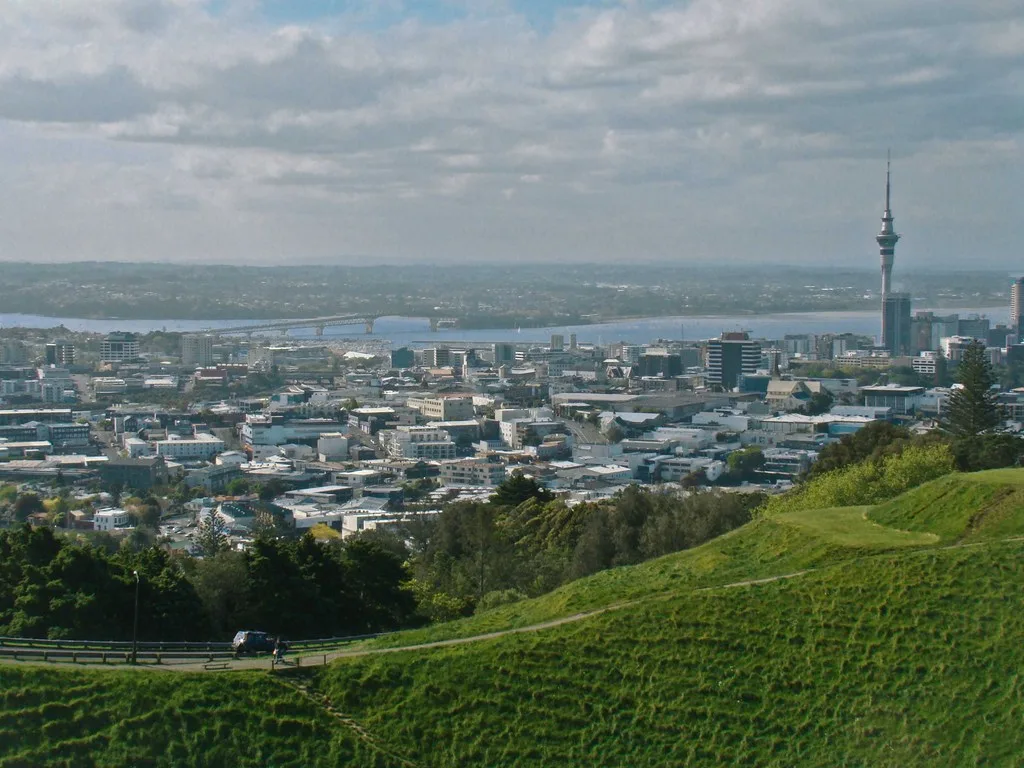
Auckland is New Zealand's largest city, home to about a third of the country's people. It is spread across a narrow isthmus between two harbours and built around roughly fifty old volcanic cones. Most international flights land here, so for many visitors it is the first taste of the country: a low, green, water-wrapped city rather than a wall of high-rises.
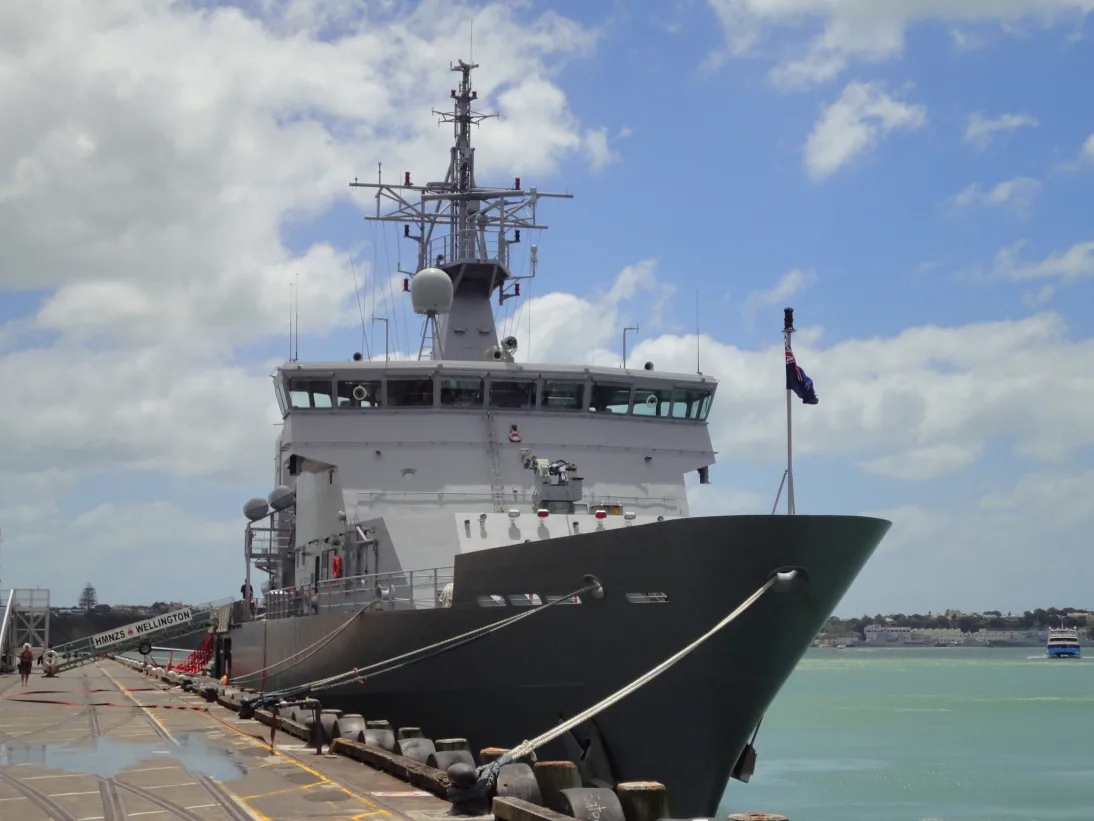
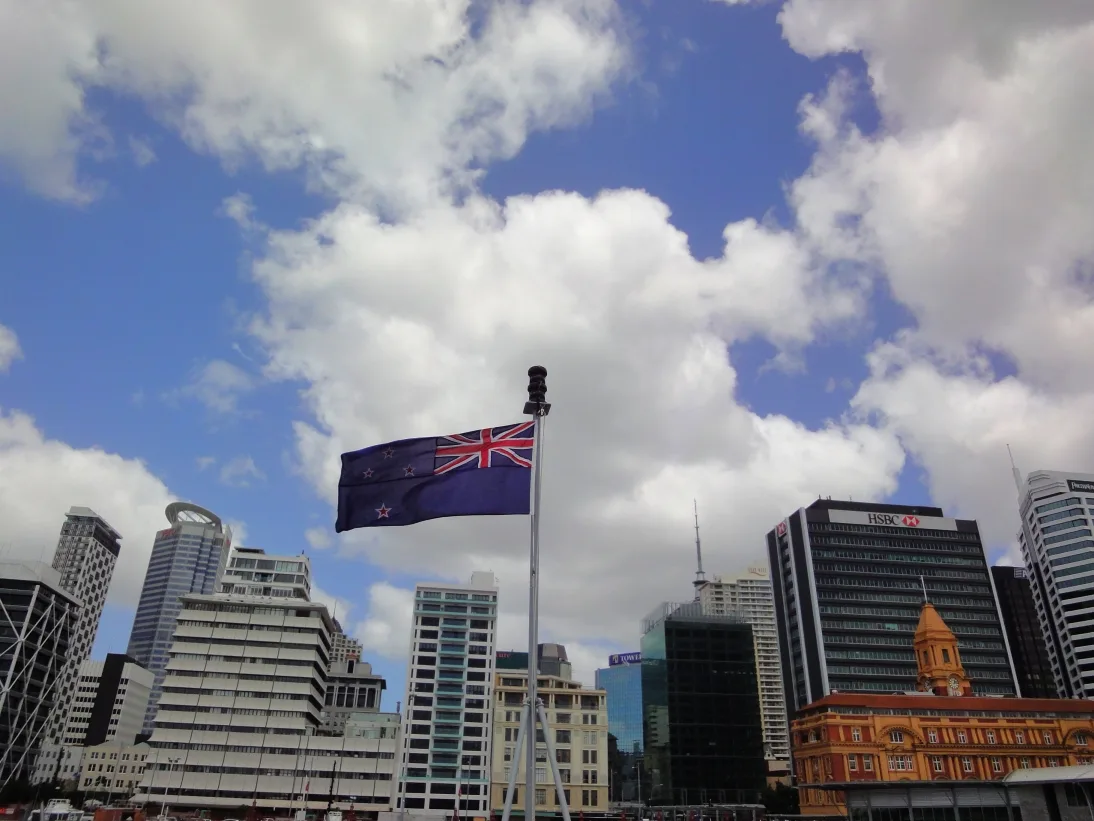
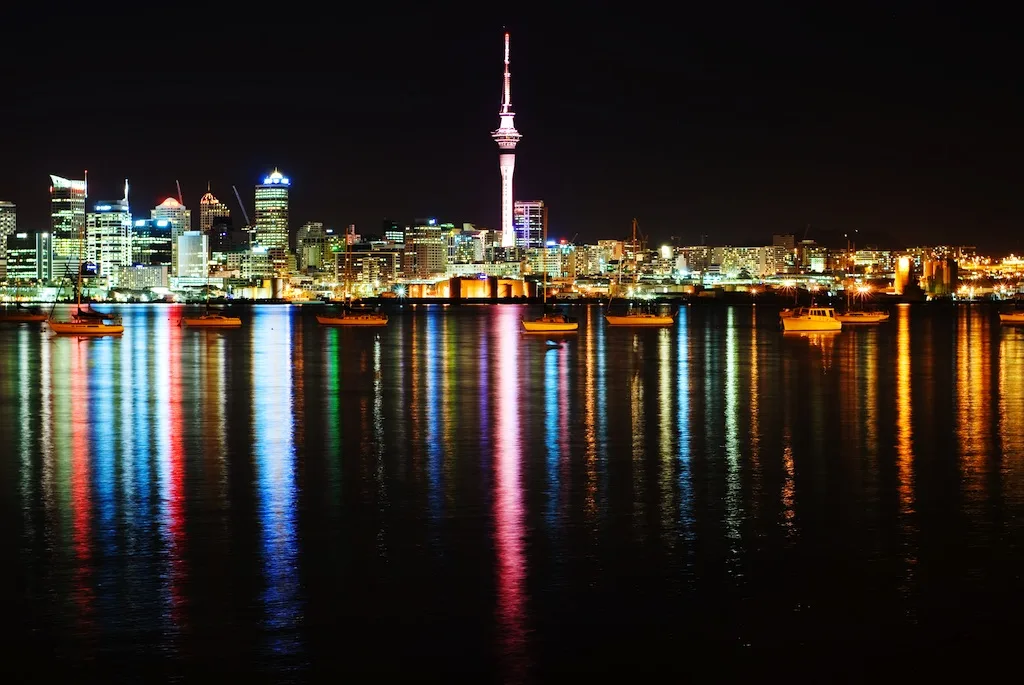
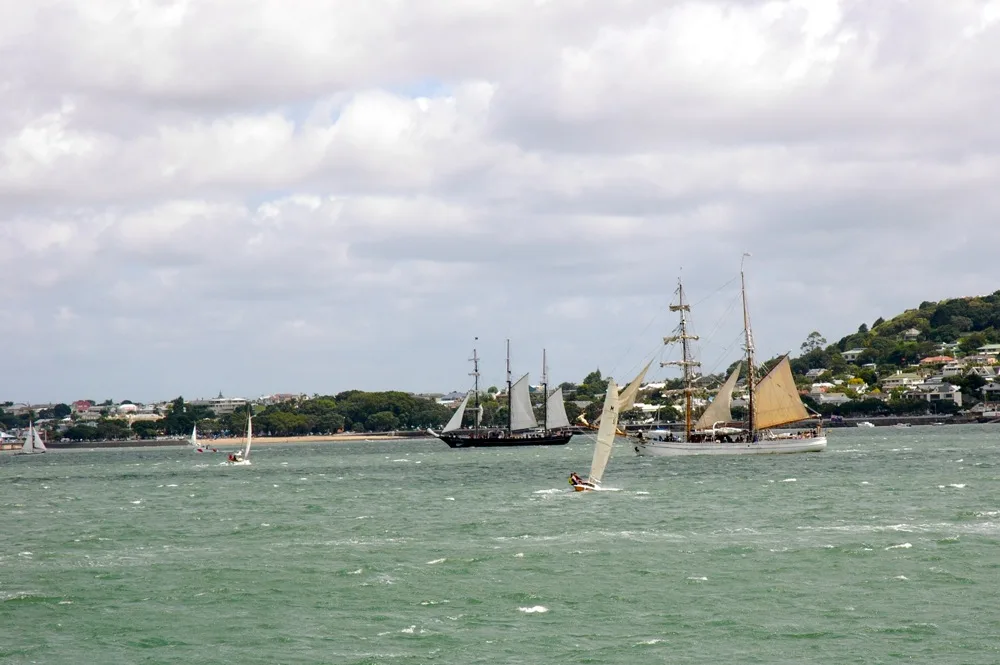
The centre is compact enough to walk, and the harbour is never far. The Sky Tower stands over downtown at 328 metres, with an observation deck and, for those who want it, a controlled jump off the side. Below it, the Viaduct and Wynyard Quarter line the water with bars and restaurants. Ferries leave from the downtown terminal all day.
Things to do
- Climb a volcanic cone such as Mount Eden or One Tree Hill for a free 360-degree view over both harbours.
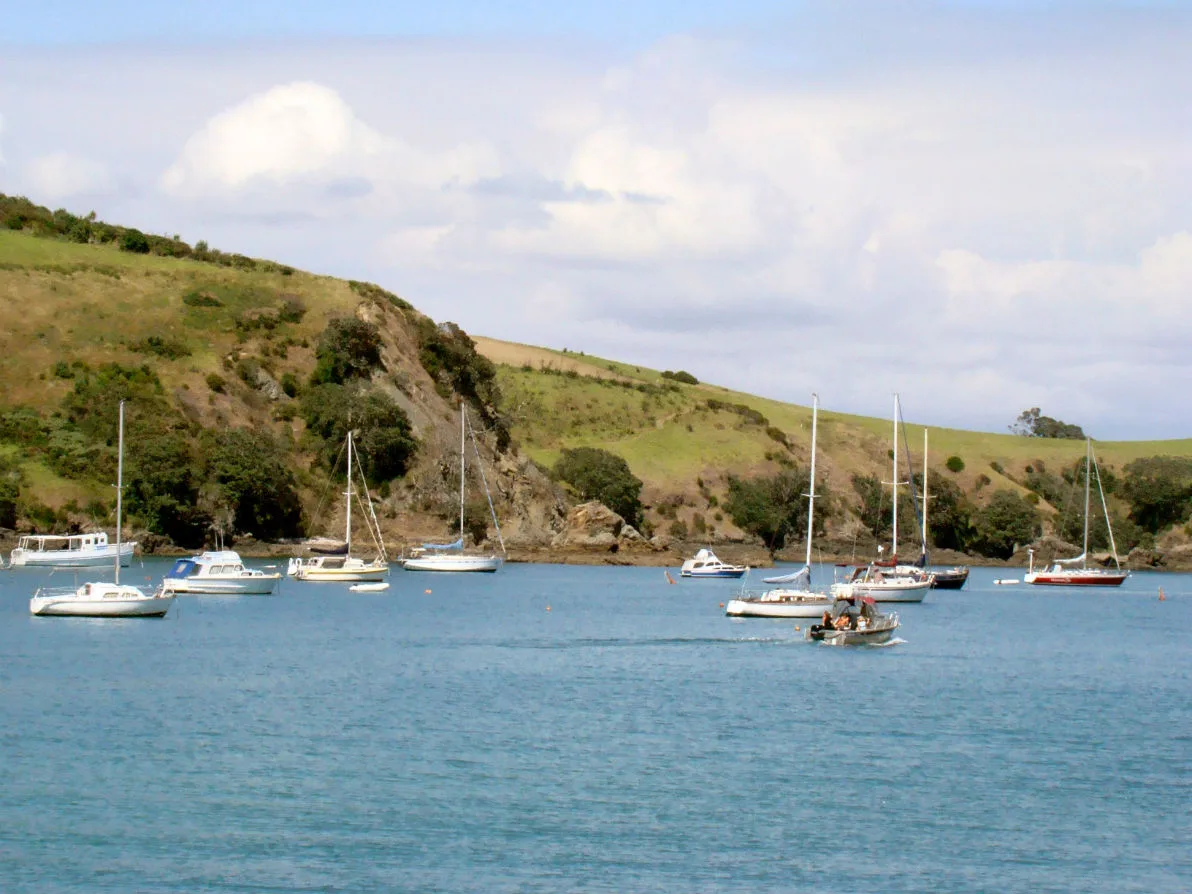
- Take the 40-minute ferry to Waiheke Island for vineyards, olive groves and swimming beaches.
- Walk up to the Auckland War Memorial Museum in the Domain, strong on Māori and Pacific collections.
- Cross to Devonport by ferry (about 12 minutes) for a quiet seaside village and old harbour forts.
Where to go nearby
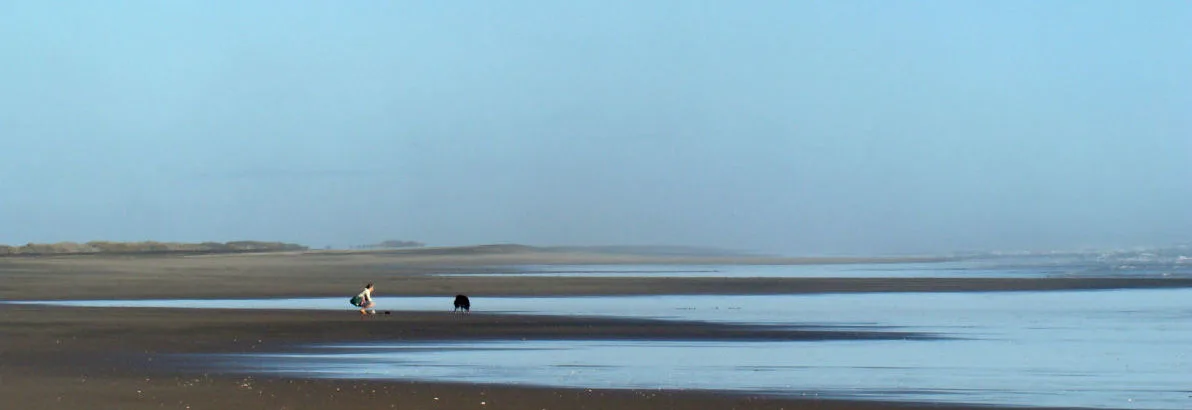
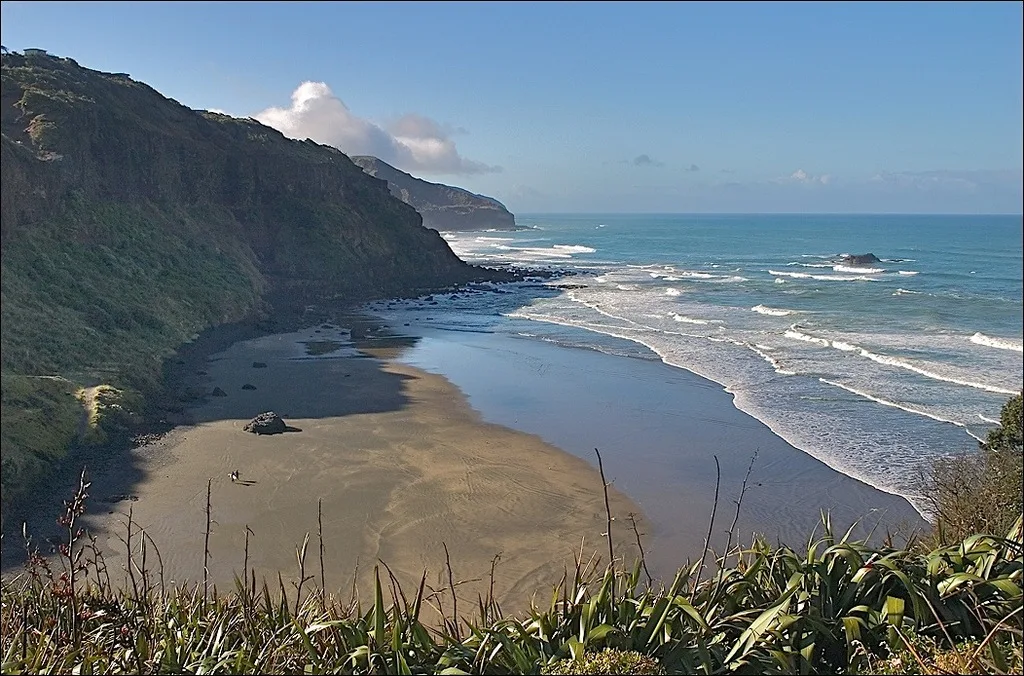
- Piha and Karekare, black-sand surf beaches in the Waitākere Ranges, 45 minutes west. The surf is powerful and rips are real, so swim between the flags.
- Muriwai, where a gannet colony nests on the cliffs from spring through summer.
- The wineries of Matakana and the beaches north of the city, an easy day trip up State Highway 1.
Good to know
The Sky Tower deck costs around NZD 40 for adults; the volcanic cones and the Domain are free. The Waiheke ferry is about NZD 25 return, more if you add an island bus pass. Allow extra time crossing the city at peak hours, and book the Waiheke and Devonport ferries online in summer when they fill. Many of the best things here, the cones, the harbour walks and the beaches, cost nothing at all.
Worth knowing: Auckland is the most expensive city in the country and its traffic is the worst. Many travellers give it a day or two and treat it as a hub rather than the main event, which is a fair call if your time is short.
Best time to visit
Auckland's climate is mild and humid, without a real cold season. Summer, from December to March, is the prime time: warm days around 23 to 26 degrees, long evenings and the ferries and beaches at their best, though January is also the busiest and most expensive month and accommodation books up. Autumn (March to May) is settled and quieter. Winter is wet rather than cold, often 8 to 15 degrees with grey, rainy spells, but flights and hotels are cheaper and the city keeps working normally. Spring can be changeable. Whenever you come, pack a layer and a rain jacket, because the weather here can turn within an afternoon.
Getting around
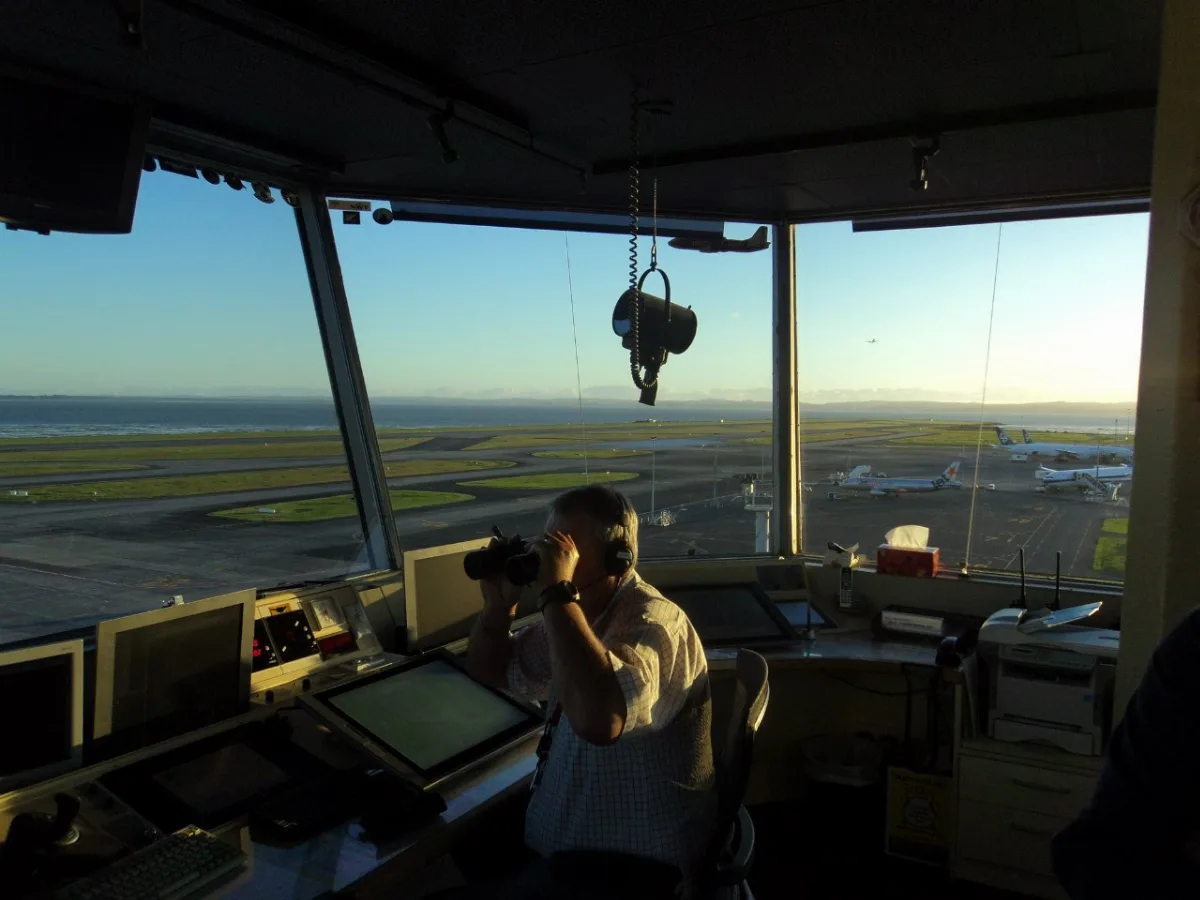
Downtown, the museum and the waterfront are walkable, but Auckland sprawls and a car gets stuck in heavy traffic, especially on the motorways at peak hours. Public transport runs on the AT HOP card, which covers buses, trains and the inner-harbour ferries; the ferry to Devonport or Waiheke is the nicest way to move and doubles as sightseeing. Parking in the centre is pricey, so if you have a car a hotel with parking helps. Auckland Airport sits about 21 kilometres south of the centre; the SkyDrive bus and the new rail link via Puhinui both connect it to town, and a taxi or rideshare runs roughly NZD 45 to NZD 70 depending on traffic. If you are heading on to the rest of the country, pick up a rental as you leave rather than driving it daily in the city.
Photos