What to see
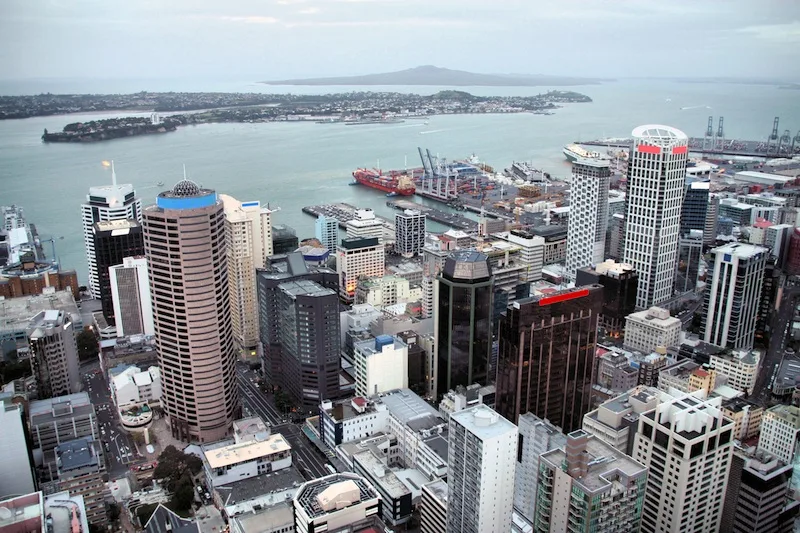
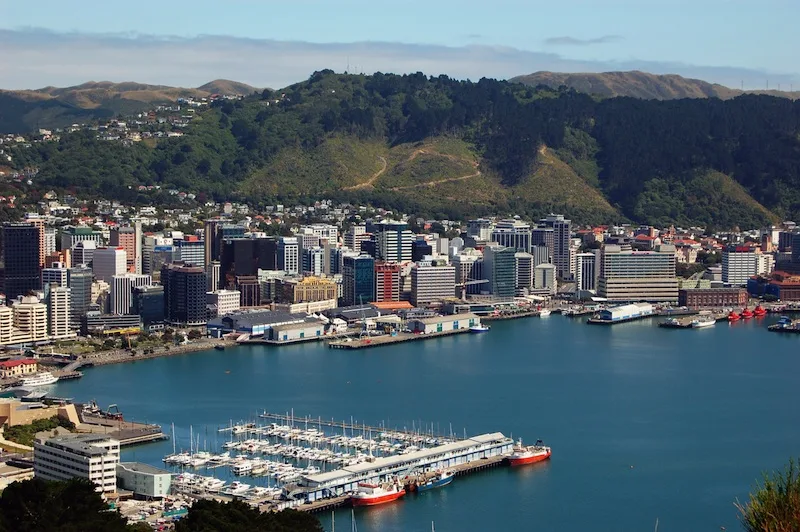
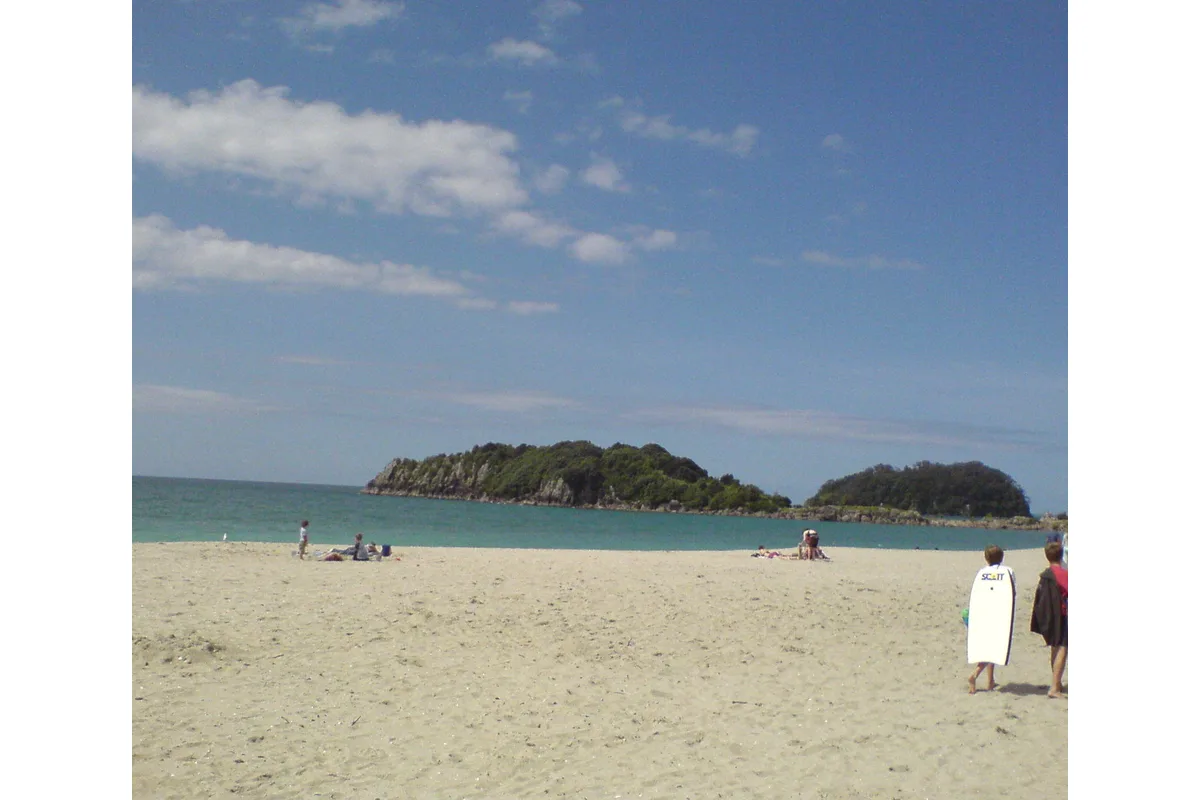
The classic North Island run links Auckland, the geothermal town of Rotorua, Lake Taupō and the volcanoes of Tongariro National Park, then drops down to Wellington. In the north, the Bay of Islands and the giant kauri forests of Northland are worth the detour. The Coromandel Peninsula and the Bay of Plenty give you the beaches.
- Rotorua for geysers, mud pools and Māori culture
- The Tongariro Alpine Crossing, the best known day walk in the country
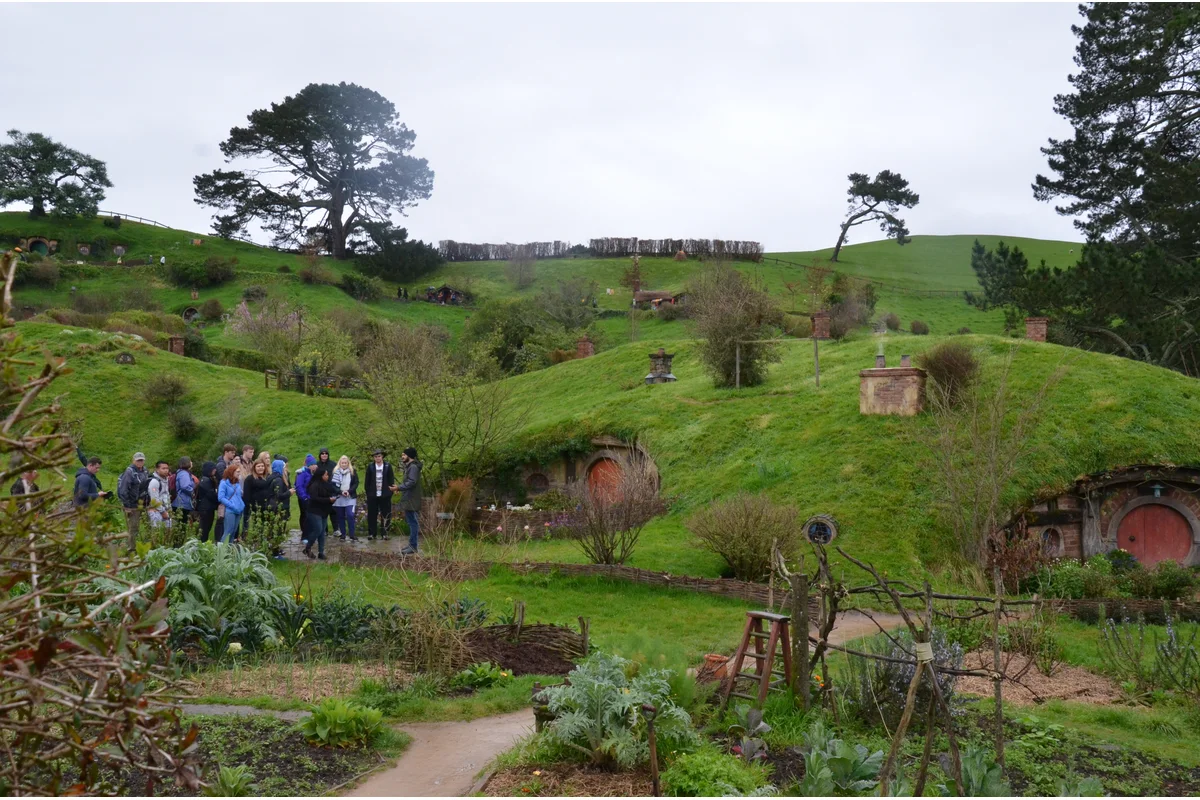
- Hobbiton near Matamata for film fans
- Cape Reinga, where the Tasman Sea meets the Pacific
Getting around
A car is the simplest way to travel. Auckland to Wellington is about 640 km, or roughly 9 hours of driving without stops, so most people break it over two or three days. The main highways are sealed and easy, though they are often single lane and slower than the distances suggest. Intercity buses cover the same routes cheaply, and there are domestic flights between the main centres if time is tight.
When to go
Summer, December to March, is warm and busy, and prices and crowds peak over the Christmas to mid January holidays. Autumn and spring are quieter and still mild. Winter is wet rather than freezing at sea level, though the central plateau and the Tongariro area get snow. The north stays warm enough to swim well into autumn.
Honest notes
White Island Flights advertises scenic flights to view Whakaari from Whakatāne Airport. This is an aerial experience, not an island landing; confirm operating conditions and the actual departure with the operator. White Island Flights.
Costs and practical tips
Rental car prices swing with the season, from roughly NZ$40 a day in winter to well over NZ$90 in peak summer, and campervans cost more again. Petrol is sold by the litre and is dearer in small towns than in the cities, so fill up in Auckland or Hamilton when you can. Many of the best things, like the beaches, the Tongariro Crossing and most coastal walks, are free, while the geothermal parks at Rotorua, Hobbiton and the glowworm caves charge entry, so a sightseeing day can add up.
- The Tongariro Alpine Crossing is 20.2 km one way. Allow 7–8 hours November–April and about 9 hours May–October, when alpine skills, equipment and avalanche preparation are essential. The free DOC track booking is recommended for everyone and required when using a shuttle or guide; transport is paid separately. Summer road-end parking is limited to four hours and is unsuitable for the full crossing. Respect sacred lakes and summits, stay on marked tracks and check DOC alerts and the mountain forecast.
- Book a Rotorua geothermal park and a Māori cultural evening ahead in peak season
- Supermarkets like Countdown and New World are the cheapest way to eat on the road
Suggested route
A common first trip spends a night or two in Auckland, drives 3 hours south to Rotorua and Taupō for the geothermal sights and the lake, then continues to the Tongariro area before reaching Wellington to cross to the South Island. With a week you can do this comfortably; with less, cut Wellington and fly out of Auckland.
Good to know
Driving is on the left, and the open road speed limit is 100 km/h, though the winding hill roads rarely let you reach it. Mobile coverage is good in towns but patchy in the central plateau and on remote coasts, so download maps before you go. Cafes and supermarkets take cards everywhere, and tipping is not expected. Drinking water from the tap is safe across the region.
The Tongariro Alpine Crossing is 20.2 km one way. DOC allows 7 to 8 hours in November to April and about 9 hours in May to October, when alpine skills, snow and avalanche preparation are essential. A fine morning does not ensure safe conditions all day. Make the free DOC track booking, recommended for all walkers and required for shuttle or guided services; transport is paid separately. In summer, crossing walkers cannot park at Mangatepōpō. Stay on marked tracks, respect sacred lakes and summits, and check DOC alerts and the mountain forecast before setting out. Official visitor information.
Cities & towns

Attractions


Sub-regions
Editorial responsibility: NarodNZ. We maintain this independent guide and welcome corrections. Send a correction