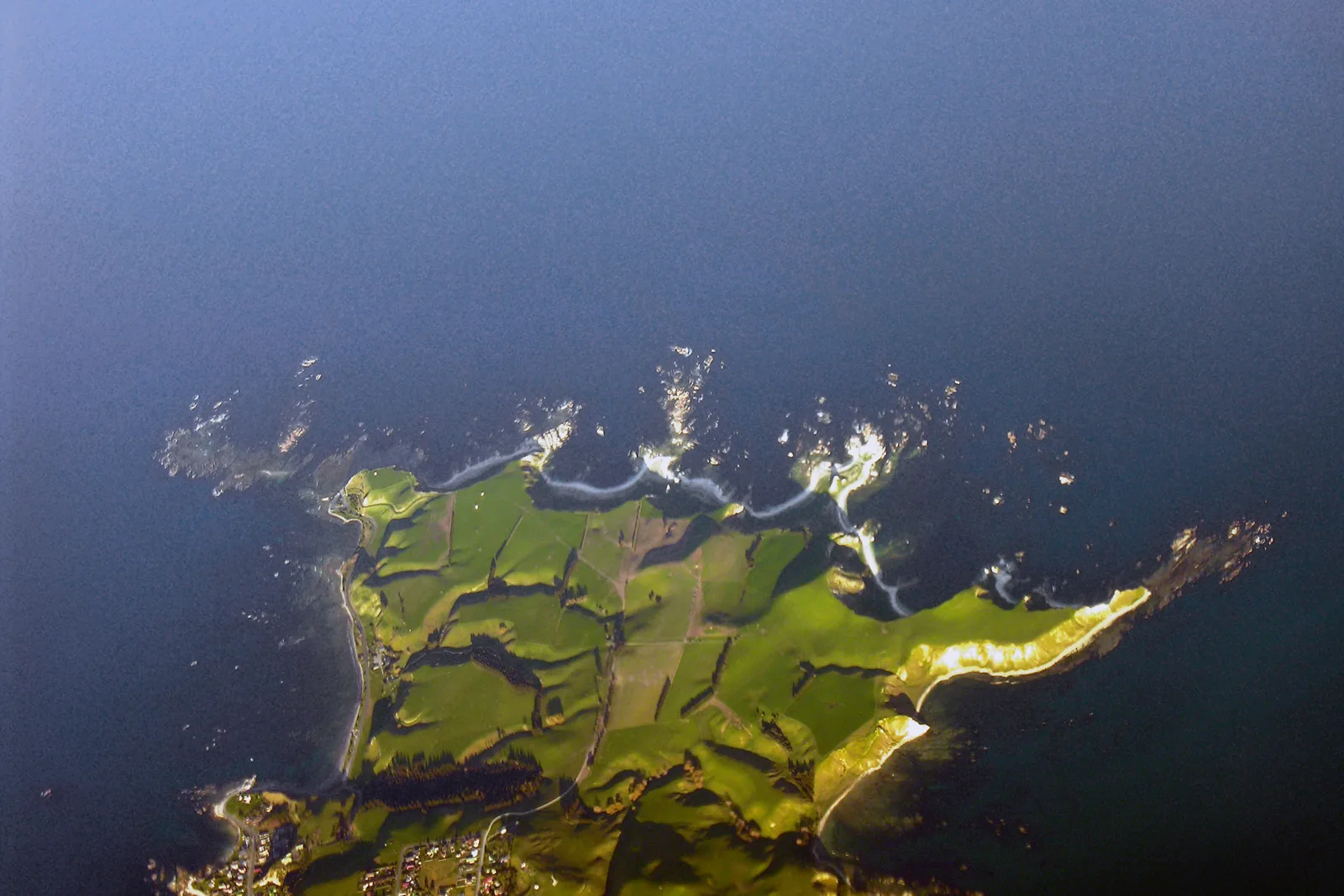
Kaikōura
Two nights in Kaikōura give a weather buffer between Picton and Christ...
Christchurch is the largest city of the South Island and the main place visitors arrive before heading into Canterbury and the Southern Alps.
It is flat, laid out on a grid around the small Avon River, and still visibly remaking itself after the 2011 earthquake. That rebuild is part of what makes it interesting now: new architecture, street art and open spaces sit beside the old stone churches and English-style gardens.
The centre is small and easy to cover on foot or by bike. The Botanic Gardens and the bordering Hagley Park form a large green core, and you can be punted along the Avon much as you could a century ago. The transitional Cardboard Cathedral, built after the old one was wrecked, stands near the quake memorial.
Christchurch Tram’s day ticket costs NZ$42 per adult and NZ$10 per child aged 5–15. A full circuit takes about 50 minutes; allow extra time to hop off. The gondola and shuttle are separate. Christchurch Gondola costs NZ$45 per adult and NZ$22 per child aged 5–15. The shuttle and combination tickets cost extra; check the particular package.
Honest note: some of the rebuild is still bare lots and roadworks, and a few central blocks feel quiet at night. It is a comfortable, low-key city rather than a thrilling one, and most people use it as a base for the wider South Island.
Christchurch has a drier, more continental feel than the North Island cities, with bigger swings between the seasons. Summer, December to February, is warm and settled, often 20 to 26 degrees and the best time for the gardens and day trips, though a hot, dry northwesterly wind can push temperatures higher and leave the air gusty. Autumn turns the parks gold and stays pleasant. Winter is cold and frosty, frequently down to freezing overnight, with clear crisp days and the Alps an hour or two away under snow, which suits a ski trip. Spring is changeable. The city sees less rain than Auckland or Wellington, but mornings can be sharp, so pack warm layers outside summer.
Metro’s current airport routes include 8, 29 and airport-bound 3 to the city; route 125 serves northern and western suburbs without entering the city centre. When taking route 3 to the airport, check the destination board says Airport: not every route 3 bus goes there. Use the linked Metro route timetables for the travel day and its fare information before boarding. Re:START was a temporary container shopping development after the earthquakes; it is part of the city’s reconstruction history, not a current shopping attraction. Metro.
Put the Botanic Gardens and central city first. Keep an alpine crossing or the Tekapo drive for a rested day rather than adding it after a long flight.
With two arrival nights, use day one for rest and day two for the gardens and city. Pick up the car for the Tekapo departure and allow a meal stop. Confirm rental opening hours and your one-way Queenstown return before booking.
Central streets suit a walking day; an airport hotel suits a terminal-related night. Compare parking, depot shuttle and the first road departure rather than assuming either area fits every trip.
Keep a short indoor city visit as an alternative to the gardens in heavy rain. Do not use a closed alpine road as the day’s fallback.
The council identifies the Botanic Gardens River Walk as suitable for wheelchairs and strollers. That statement applies to the named walk, not every garden path or conservatory entrance.
Editorial responsibility: NarodNZ. We maintain this independent guide and welcome corrections. Send a correction