Dunedin
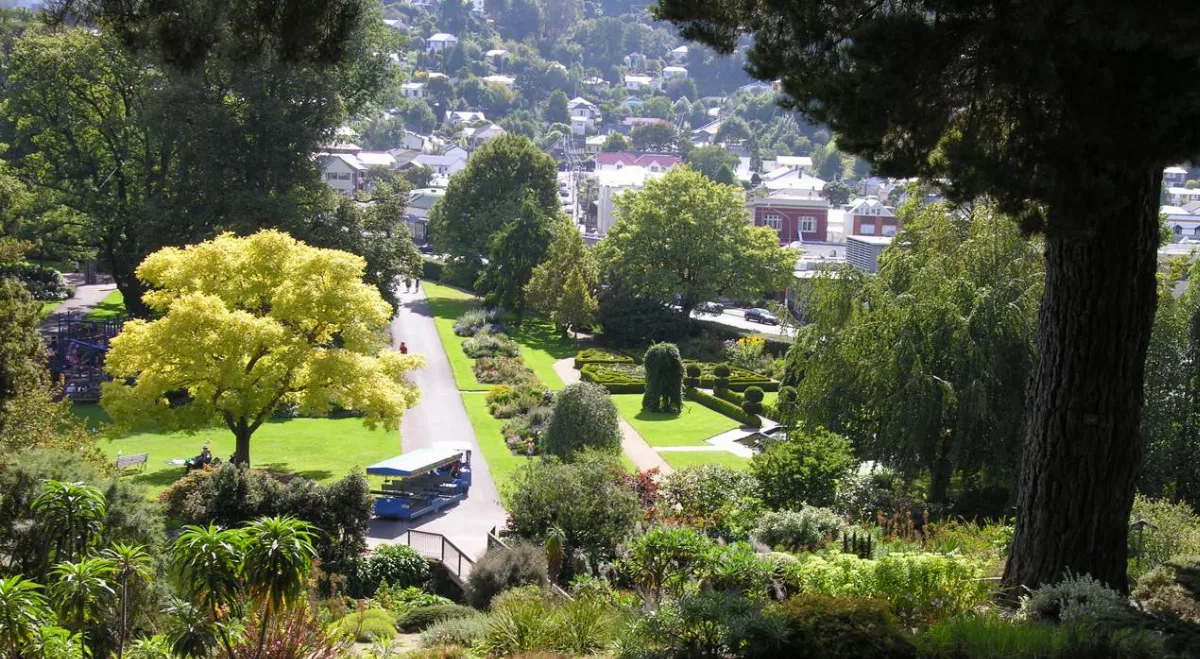
Dunedin sits at the head of a long harbour on the southeast coast of t...
Otago runs from the surf and wildlife of the Dunedin coast inland to the gold-rush towns and vineyards of Central Otago. Dunedin is a university city with strong Scottish heritage and steep Victorian streets. Inland, the dry schist hills around Cromwell and Bannockburn produce some of the country's best pinot noir, on land that was dug over for gold in the 1860s.
The Otago Peninsula just out of Dunedin is one of the best places for wildlife near a city, with albatross, penguins and fur seals. Dunedin itself has the railway station, Baldwin Street (once listed as the world's steepest), and a good museum or two. Inland, the old gold towns of Clyde, Cromwell and Arrowtown sit among the Central Otago vineyards.
A car is best for the spread of the region. Dunedin to Cromwell is about 2.5 hours inland, and Dunedin to Queenstown roughly 3.5 hours. The Otago Peninsula is a 30 to 40 minute drive from central Dunedin on a narrow coastal road. The wineries are spread out, so a car or an organised tour makes them easy.
Autumn is the standout in Central Otago, when the vines and poplars turn gold and Arrowtown holds its autumn festival. Summer is warm and dry inland and good for the wildlife on the coast. Winter is cold and clear inland, with frosts and the occasional snow, and Dunedin stays cool and grey.
The Otago Peninsula wildlife is best at dawn and dusk, and the guaranteed albatross and penguin sightings are at paid centres rather than free roadside spots, so factor that in. Central Otago summers are hot and the sun is fierce, while winter nights are properly cold, so pack for the season. Dunedin's weather is changeable, so do not count on the coast being warm.
The Royal Albatross Centre tour at Taiaroa Head and the guided penguin reserves run roughly NZD 50 and up, which is the cost of a near-guaranteed sighting, while walking Dunedin and Baldwin Street is free. Central Otago wineries charge a small tasting fee that is often waived with a purchase. Dunedin is the cheaper base for fuel and supermarkets; the small inland towns have less choice and higher prices.
Otago really has two halves: the cool, green Dunedin coast and the dry, sunny interior of Central Otago. With two or three days you can do the peninsula wildlife and the city, then drive inland to the wineries and gold towns, ending near Cromwell or carrying on to Queenstown, which is about 3.5 hours from Dunedin in all.
A car is the practical way to cover Otago, as the wildlife, wineries and gold towns are spread out and buses are infrequent. Dunedin's coast is cool and changeable, while Central Otago is dry with hot summers and cold winters, so pack for both. The inland sun is strong, so use sunscreen in summer. Tap water is safe, cards are taken everywhere, and Dunedin has the fullest range of services.