Dunedin
Dunedin sits at the head of a long harbour on the southeast coast of the South Island, and it wears its Scottish roots openly: the name is the old Gaelic for Edinburgh, the street names are Scottish, and the stone university and churches look the part. It is a student town with a strong music and cafe scene, and the wildlife of the Otago Peninsula on its doorstep is the real reason most people come.
The centre clusters around the Octagon, an eight-sided plaza ringed by bars and cafes. The 1906 railway station, with its mosaic floors and ornate stonework, is the most photographed building in the country and worth a look even if you are not catching a train. Baldwin Street, once listed in the record books as the steepest residential street in the world, is a short detour and a stiff little climb.
Things to do
- Walk the Octagon, the railway station and the university quarter on foot.
- Climb Baldwin Street if you want the photo and the burn.
- Tour the Speight's Brewery, brewing in the city since 1876.
- Visit the Toitū Otago Settlers Museum, free and good on the city's history.
Where to go nearby
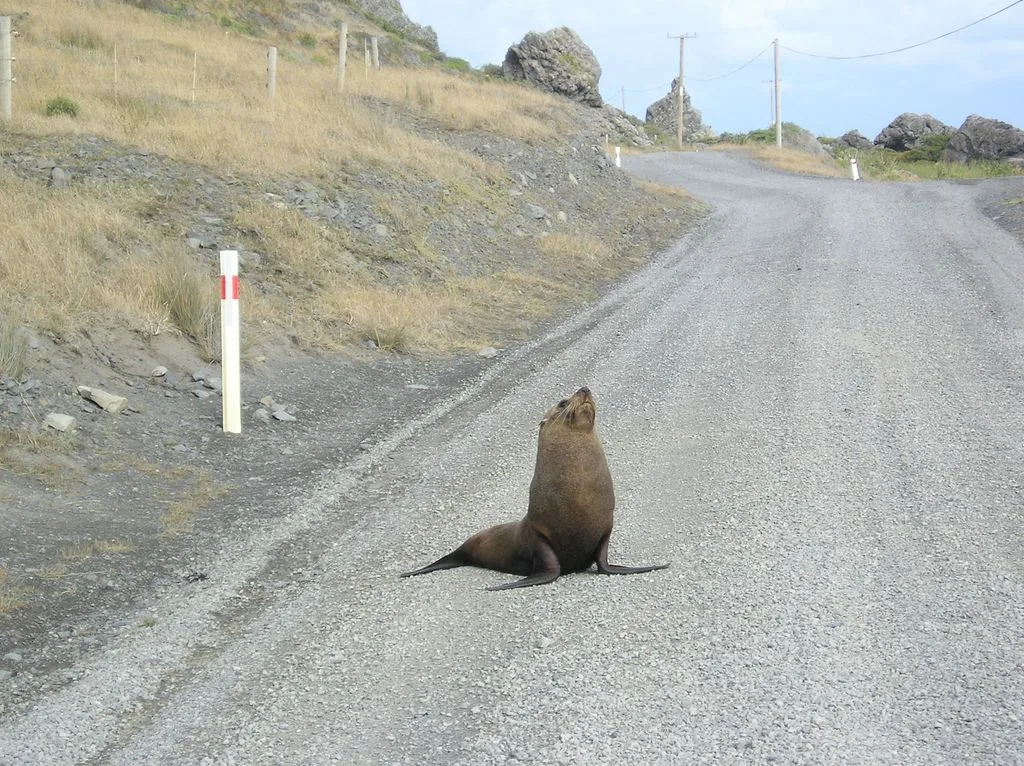
- The Otago Peninsula, where you can see royal albatross at Taiaroa Head, plus yellow-eyed penguins, little blue penguins and fur seals.
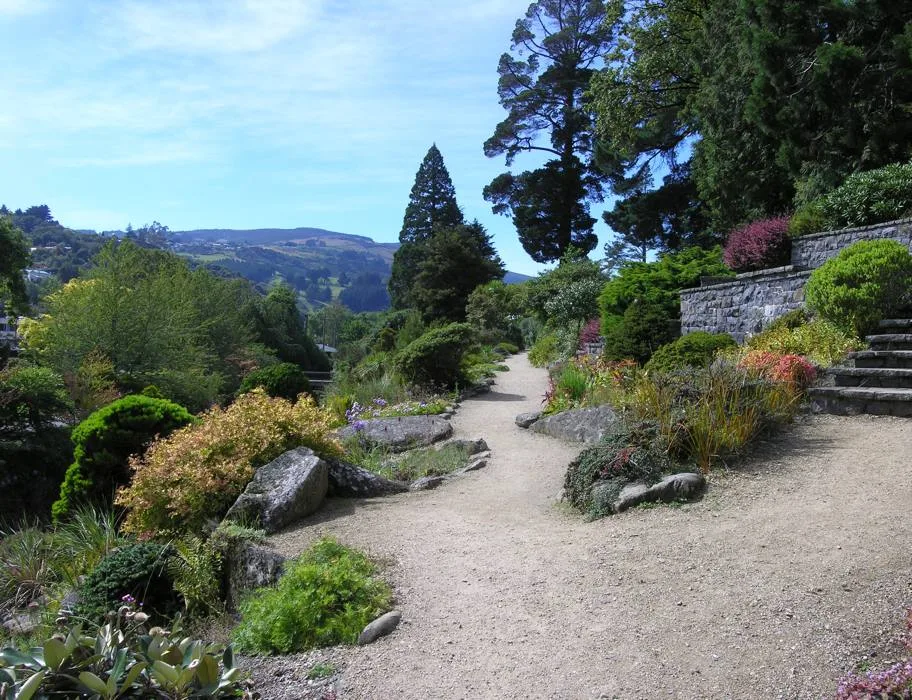
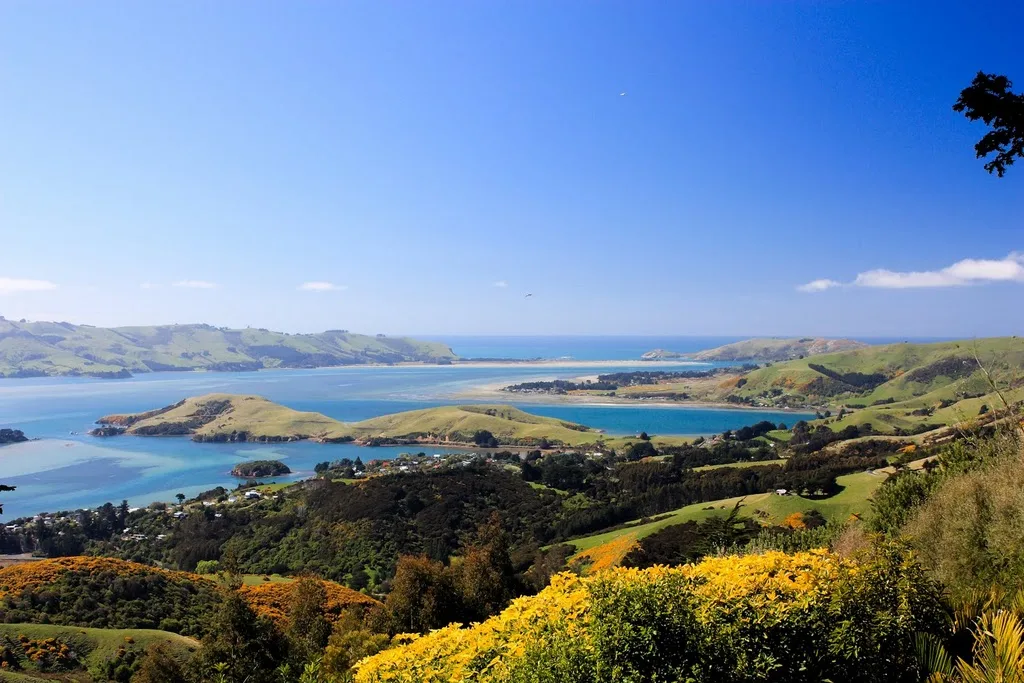
- Larnach Castle on the peninsula ridge, with gardens and harbour views.
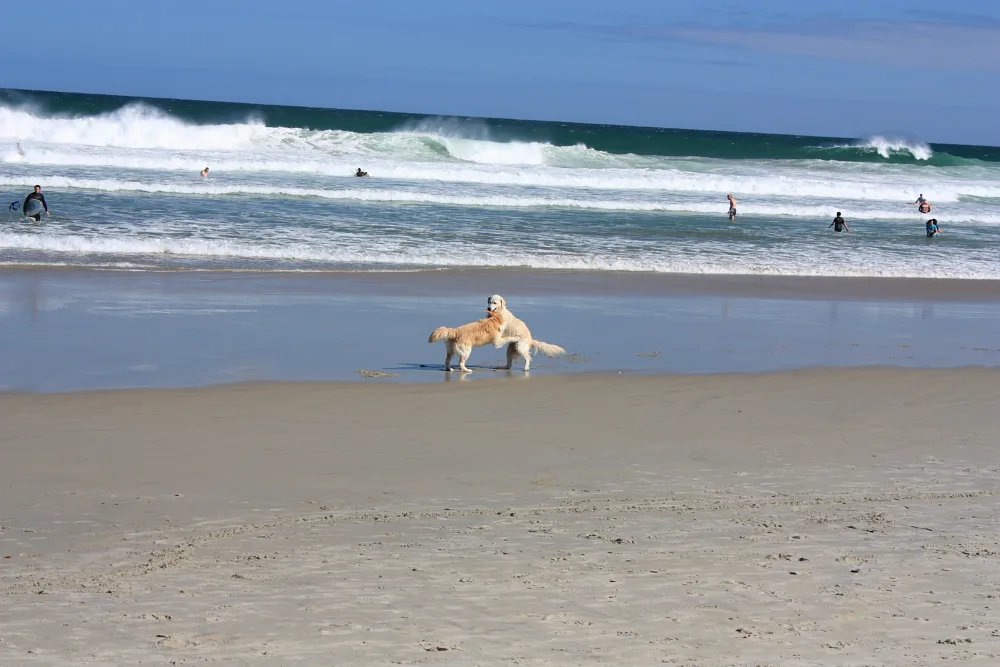
- The wild beaches at Sandfly Bay and the sea-carved Tunnel Beach south of town.
Good to know
The Octagon, the railway station, Baldwin Street and the city beaches are all free. The albatross centre at Taiaroa Head and the penguin reserves charge for guided viewing, usually NZD 50 or more, and need booking. The Speight's tour and Larnach Castle are paid too. You can still see fur seals and some penguins for free if you walk the peninsula beaches quietly at dusk and keep your distance from the wildlife.
Worth knowing: Dunedin is well south and often cool and grey, even in summer, and the wildlife tours cost money and need booking. Give the peninsula a half to full day; its single winding coast road takes longer than the map suggests.
Best time to visit
Dunedin is one of the cooler, cloudier cities in the country, sitting well south and open to the Southern Ocean. Summer, December to February, is the best window, often 16 to 20 degrees, the greenest and the most reliable for the peninsula wildlife and coast walks, though even then a cold sea breeze can blow up. Autumn is crisp and often clear. Winter is cold, grey and damp, rarely deep-freezing in the city but raw, with short days; the wildlife is still there but tours run on reduced hours. Spring, when the albatross and penguins are nesting, can be wet and windy. Whenever you visit, bring warm and waterproof layers, because the weather here changes quickly and the coast is exposed.
Getting around
The central city around the Octagon, the railway station and the university is flat and easy on foot, and that covers most of the city sights. Beyond the centre the hills are steep, so for the Otago Peninsula, Baldwin Street and the outer beaches a car or a guided tour makes sense; the peninsula's single coast road is narrow and winding, and there is no useful bus service to the wildlife sites at Taiaroa Head. Local buses run on the Bee Card and cover the suburbs but are limited at night. Parking in the centre is metered but generally easy to find. Dunedin Airport is well out of town, about 30 kilometres south near Momona, roughly a 30-minute drive; there is a shuttle service, and a taxi runs around NZD 90 to NZD 100, so book a shuttle ahead to save.
Photos