© amadonus

Wellington Region

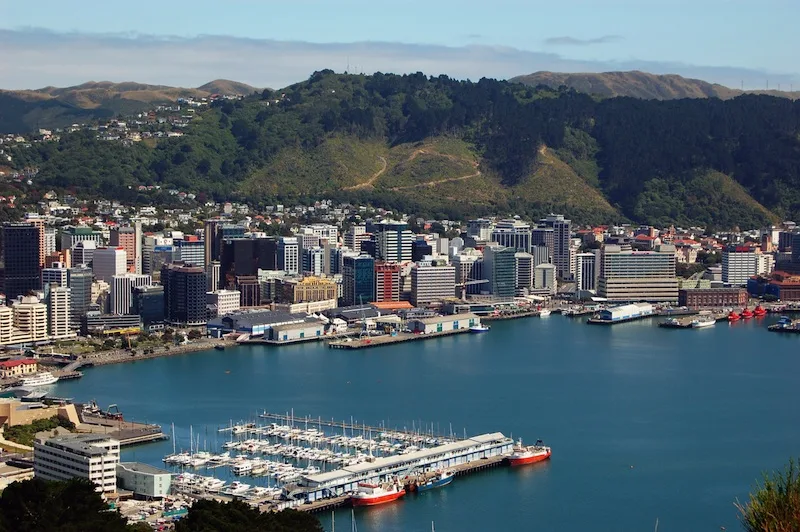
The Wellington region covers the compact capital at the southern tip of the North Island and the wine country of the Wairarapa over the hills to the east. Wellington is the seat of government and the cultural heart of the country, packed into a steep harbour basin. It is also the link between the islands, with the Cook Strait ferry crossing to the South Island from its harbour.

What to see

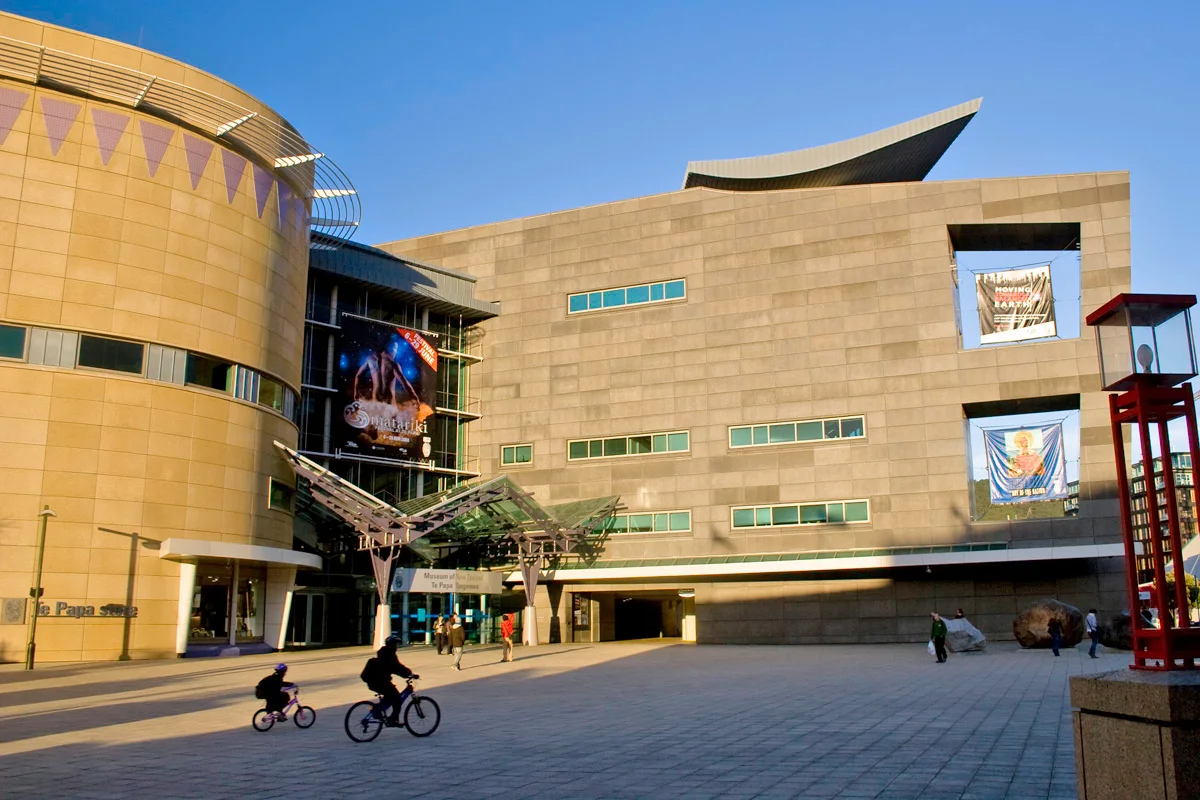
Te Papa, the national museum on the waterfront, is excellent and free. The Wellington Cable Car climbs to the Botanic Garden and a view over the city. The compact centre has a strong cafe and food scene. Over the Remutaka hill, the Wairarapa around Martinborough is a small but serious wine region, known for pinot noir.

  • Te Papa Tongarewa, the free national museum
  • The Cable Car and Botanic Garden
  • Mount Victoria lookout over the harbour
  • Martinborough wineries in the Wairarapa

Getting around

Central Wellington is walkable and has good buses and trains, so you can manage without a car in the city. For the Wairarapa wineries you want a car or a tour, as Martinborough is about 1.5 hours from the city over the hill. The Cook Strait ferry to Picton takes around 3.5 hours and books out in summer, especially with a vehicle.

When to go

Summer and autumn are the calmest, which matters here because Wellington is genuinely windy, earning its nickname Windy Wellington. Spring can be blustery. The food and arts scene runs year round and is a good reason to visit in any season, weather aside.

Honest notes

An old narodnz forum thread compared grocery prices at the Wellington markets, and the takeaway was honest: the city markets are not always cheaper than the big supermarkets, and a basket of tomatoes, cucumber, potatoes and carrots can run around NZ$15. Eating out and accommodation in the capital are not cheap, so budget accordingly. The wind is real, so pack a windproof layer.

Costs and practical tips

Te Papa and the Botanic Garden are free, which keeps a Wellington day affordable, and the Cable Car is only a few dollars each way. The city is small enough to walk, so you may not need a car at all unless you head to the Wairarapa. The Cook Strait ferry is the main cost to plan for: a foot passenger is cheap, but taking a car across to Picton runs well over NZ$200 in summer and books out, so reserve early.

  • The Wellington waterfront walk links Te Papa, the lagoon and the city in an easy stroll
  • Zealandia, a fenced wildlife sanctuary, is good for native birds close to the centre
  • Saturday and Sunday markets near the waterfront are good for cheap food and coffee

The Wairarapa

Over the Remutaka hill, Martinborough is a compact wine village you can cycle around between cellar doors, and the wider Wairarapa has the Cape Palliser lighthouse and a seal colony at the bottom of the North Island. It makes a relaxed day trip or overnight from the city, best with your own car as public transport out there is limited.

Good to know

Wellington is compact and walkable, with good buses and a suburban train network, so many visitors skip a rental car until they leave the city. The airport is close to the centre, about 15 minutes by car. The weather lives up to the windy reputation, so a windproof layer is worth packing in any season. Tap water is safe, cards are taken everywhere, and the cafe scene is one of the country's best.

Villes et bourgs

Sites à voir

Publié:
Partager