Région de Wellington
Wellington
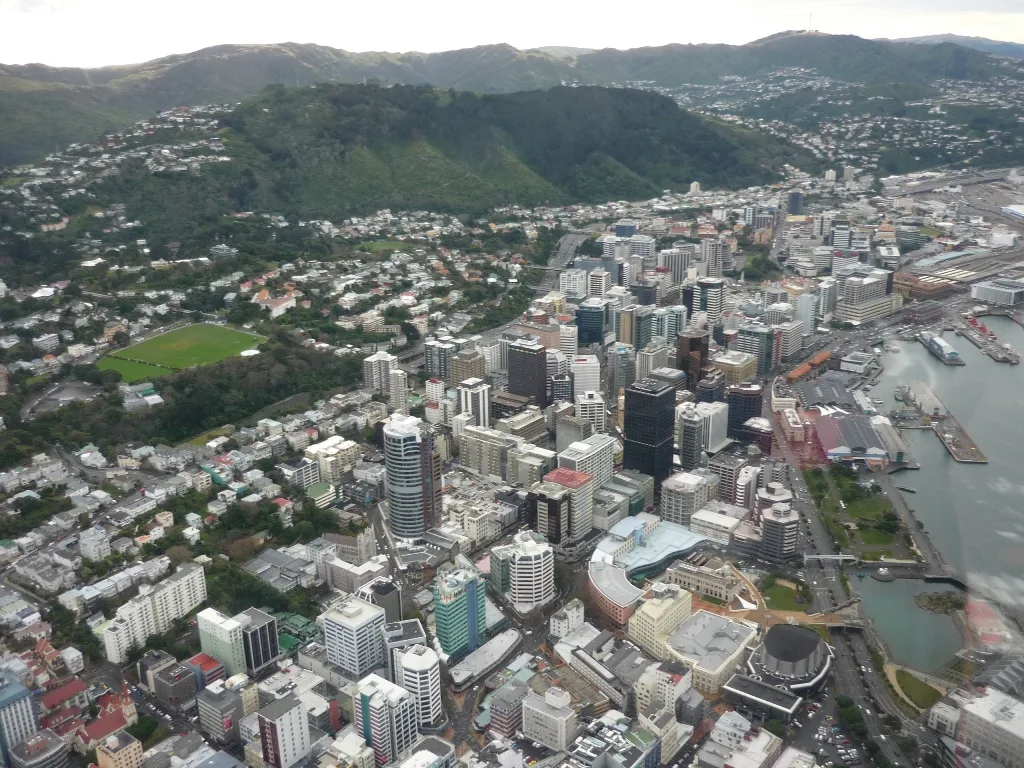
Wellington est compacte, venteuse et facile à aimer: musées, cafés, collines, front de mer et ferry vers l’île du Sud.
En bref
Idéal pour
Compact capital for Te Papa, food, harbour walks and the Cook Strait ferry.
Meilleurs mois
December to March is warmest; autumn is often the most settled.
Se déplacer
Stay central and walk; use buses, trains or the cable car for hills and suburbs.
Durée conseillée
Allow 1 to 2 days, plus time for Zealandia or the ferry crossing.
Te Papa est le grand arrêt, gratuit et vraiment utile pour comprendre la Nouvelle-Zélande. Ensuite, marchez le long du front de mer, prenez le téléphérique vers le jardin botanique, puis redescendez vers le centre. Cuba Street reste une bonne zone pour manger et boire un café.Si vous avez une demi-journée de plus, montez au mont Victoria ou visitez Zealandia. La météo peut changer vite. Prenez une veste même quand le ciel semble clair.
Combien de temps
Une journée pleine couvre les classiques. Deux nuits sont plus confortables, surtout si vous prenez le ferry ou si vous voulez ajouter Zealandia, Weta Workshop ou la côte sud.Ambiance
Wellington est compacte, créative et très piétonne, mais aussi venteuse. Les cafés, bars et petits restaurants font partie de l’intérêt de la ville. Gardez un plan intérieur pour les jours de pluie ou de vent fort.Meilleure période
De novembre à avril, les journées sont plus longues et souvent plus douces. Le vent reste possible toute l’année, et le détroit peut perturber les ferries.
Se déplacer
La ville se visite facilement à pied. Bus, téléphérique et taxis complètent bien. La voiture devient surtout utile pour la côte sud, Zealandia si vous logez loin, ou Wairarapa.
Photos de la communauté
Photos
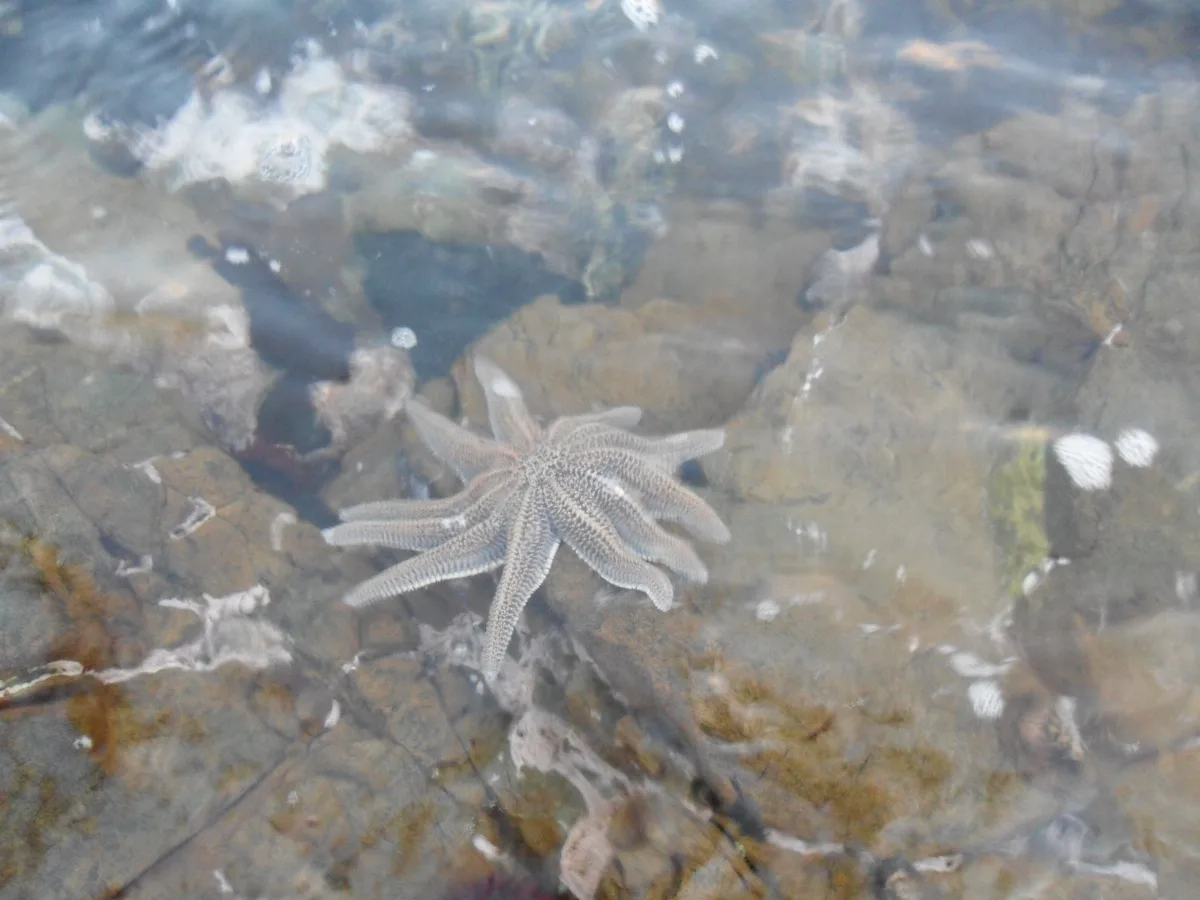
© Richard
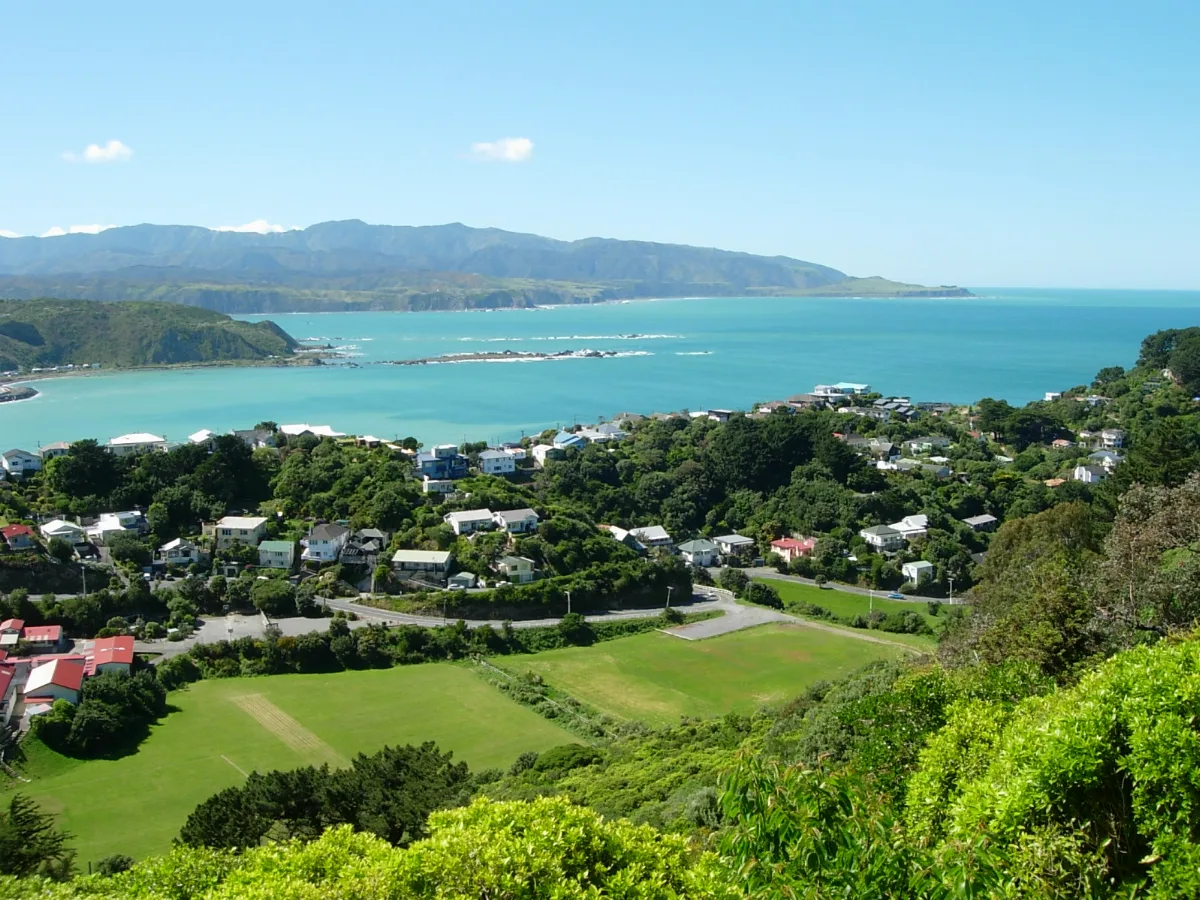
© Richard
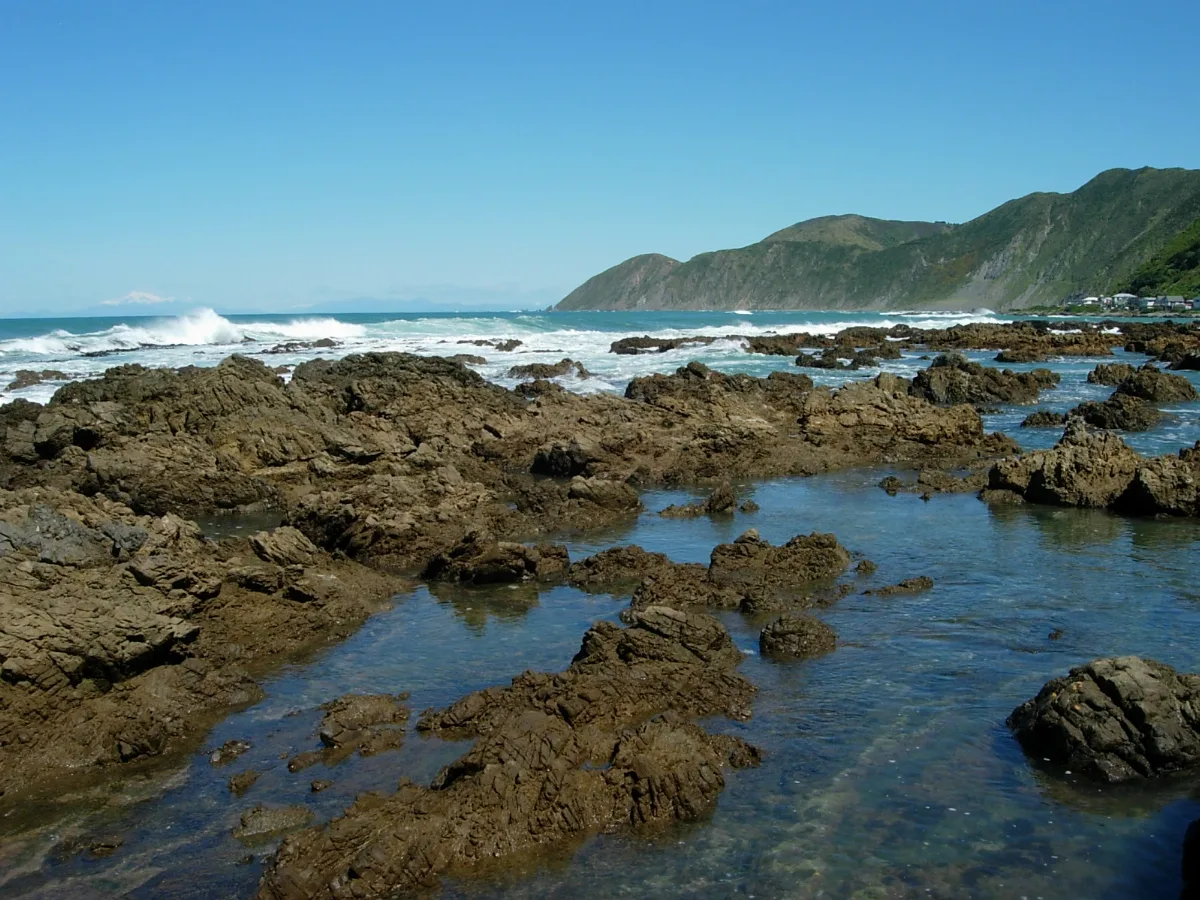
© Richard
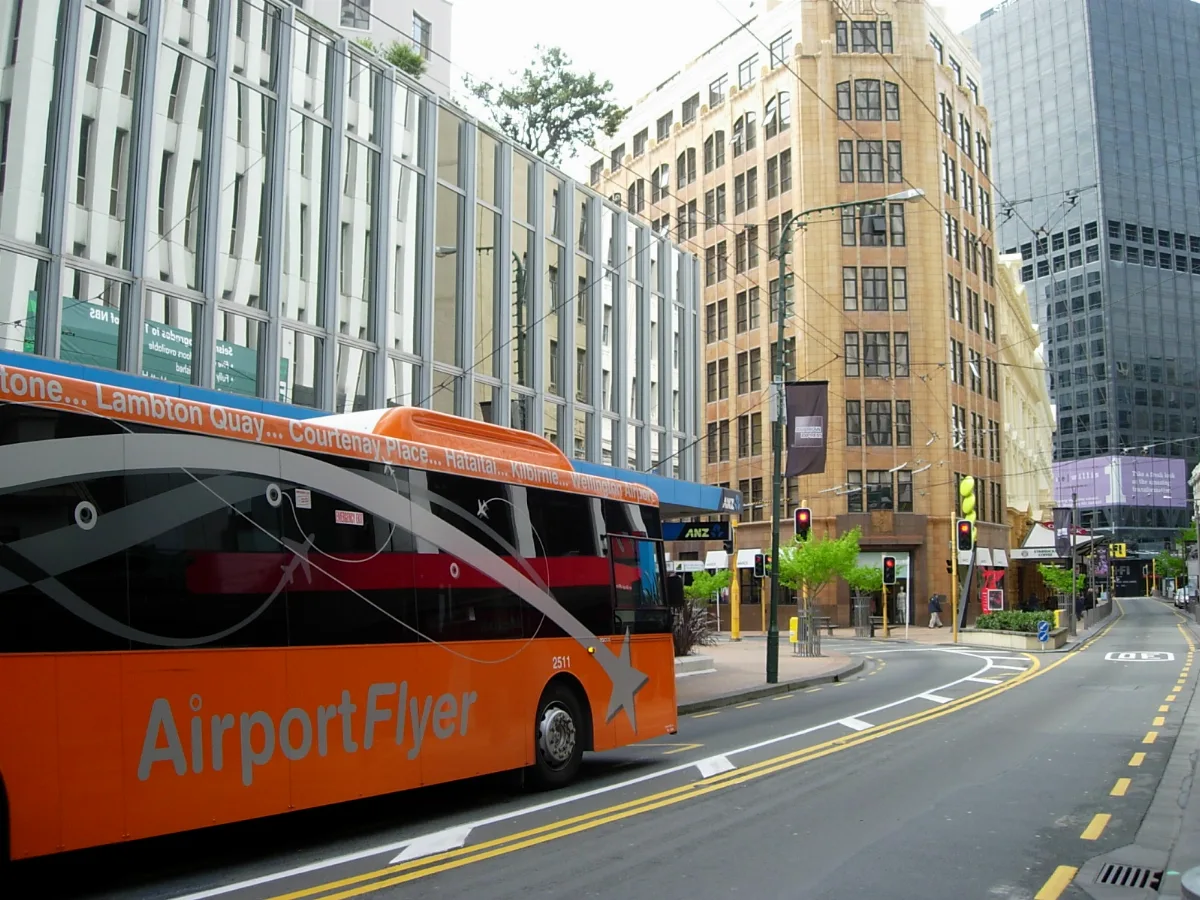
© Richard
© Richard
© Richard
© curious
© curious
© curious
© frt
© curious
© VLAD
© karamelka
© Beck
© VLAD
© frt
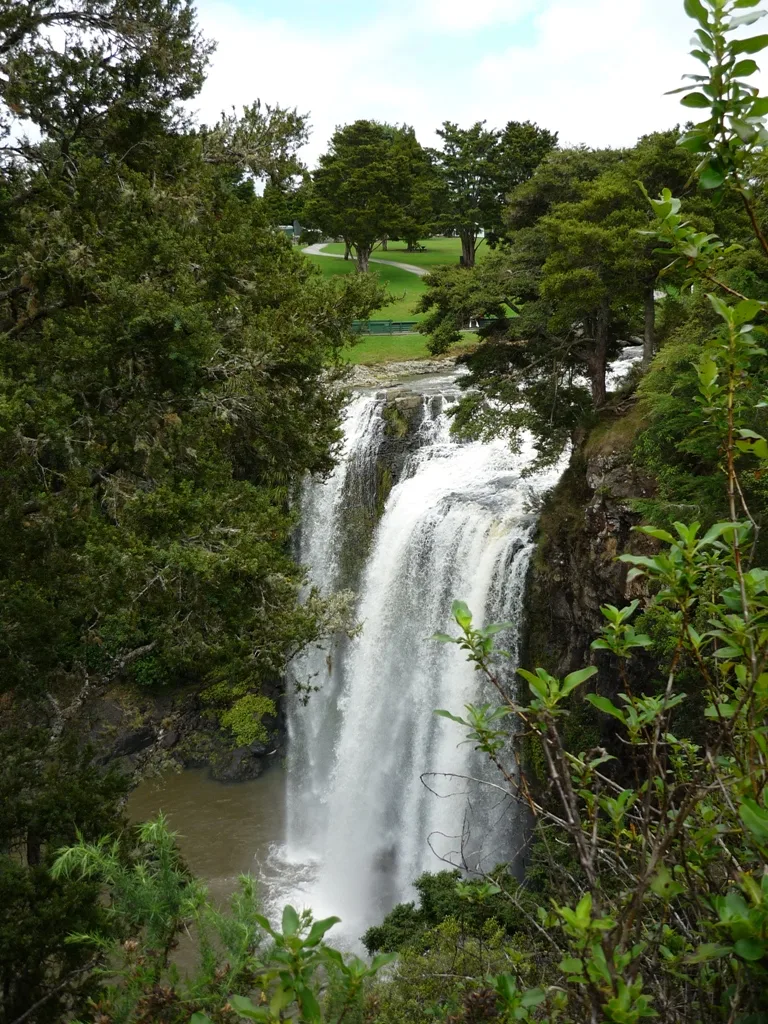
© curious
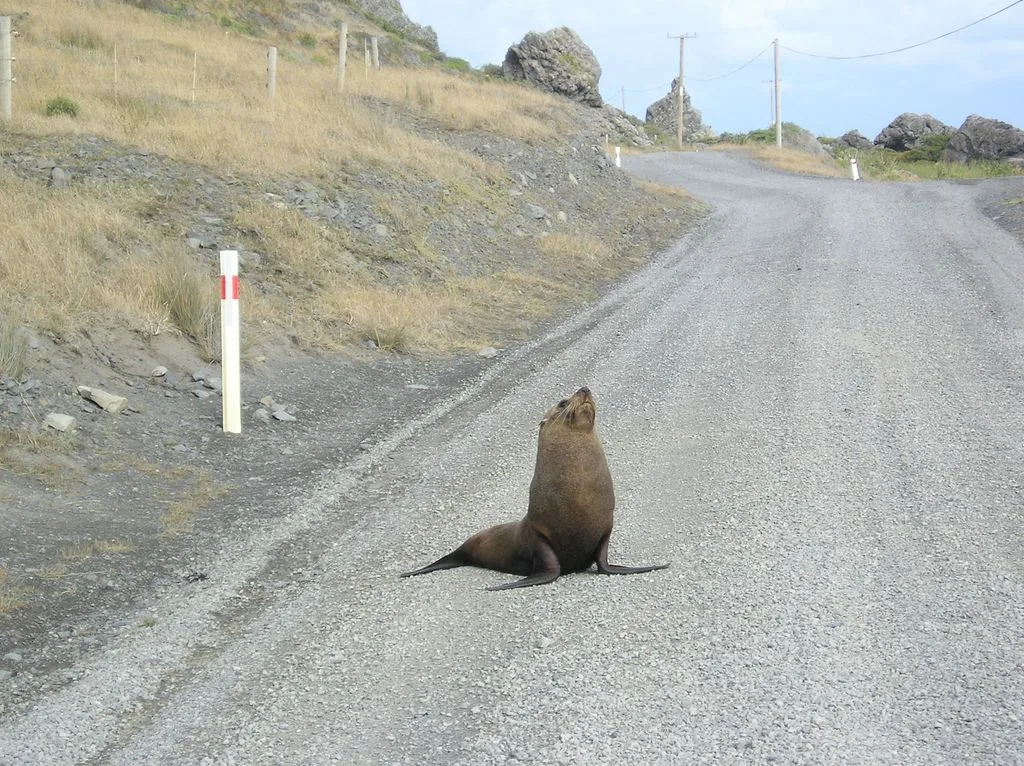
© curious
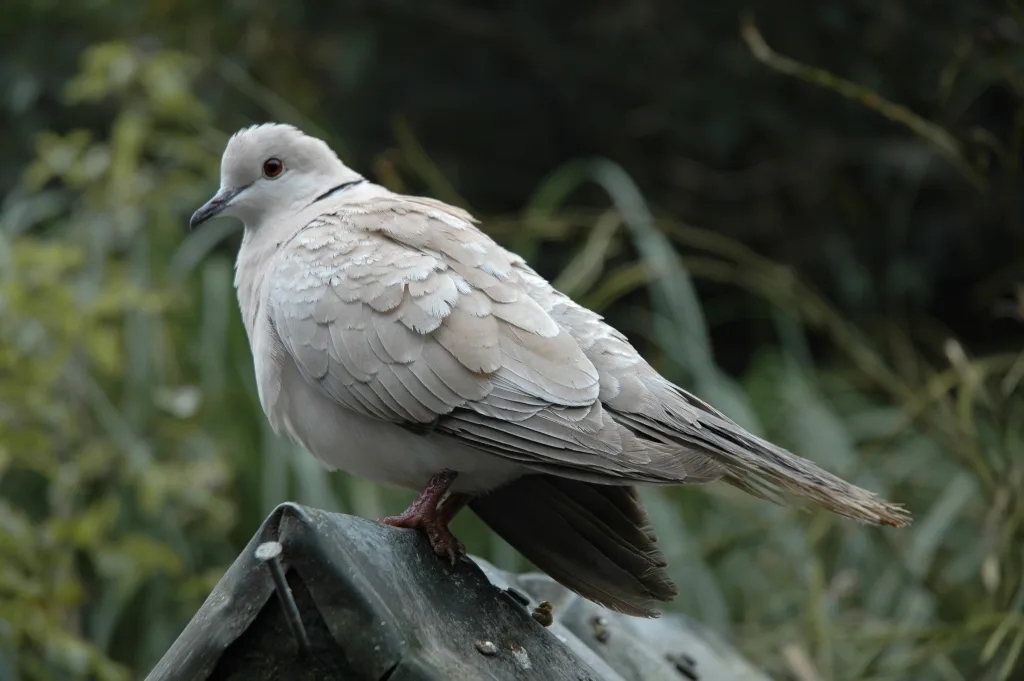
© curious
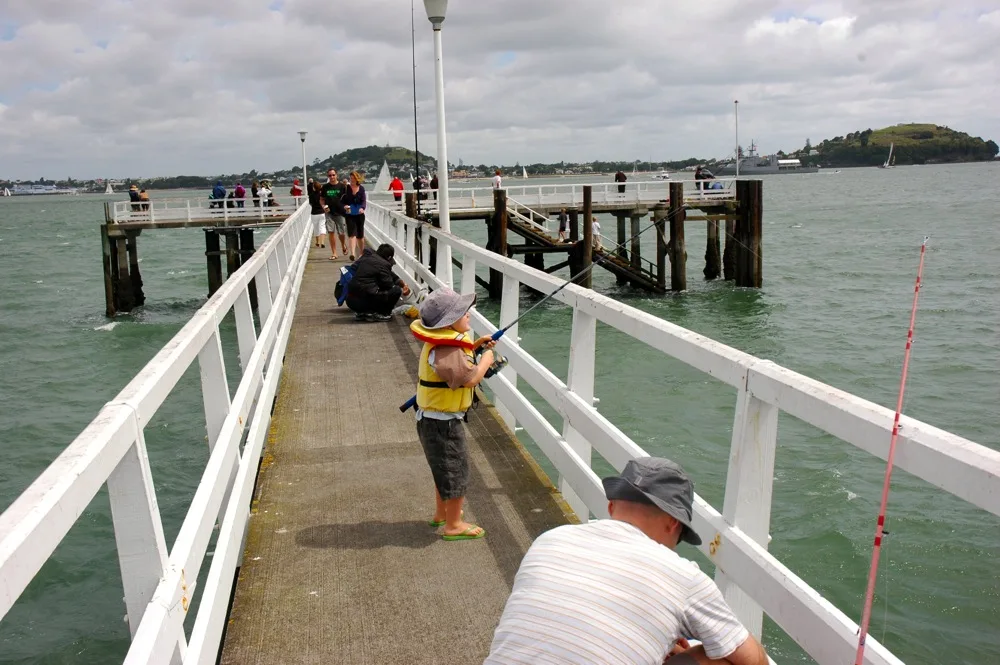
© Modest
© amadonus
© amadonus
© frt
© curious
© VLAD
© VLAD
© Beck
© VLAD
© frt
© frt
© curious
© curious
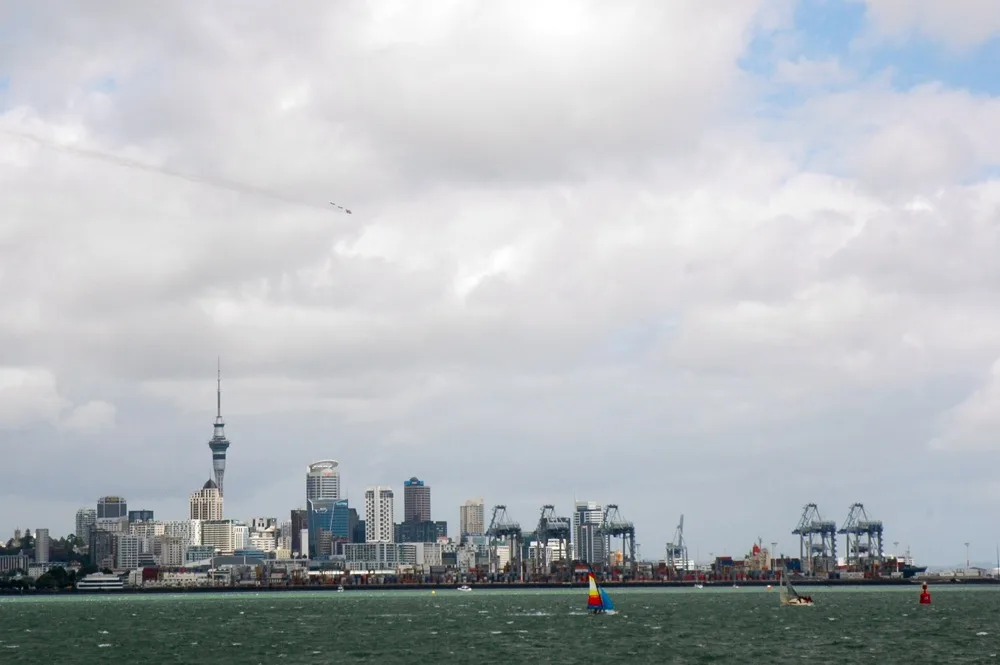
© Modest
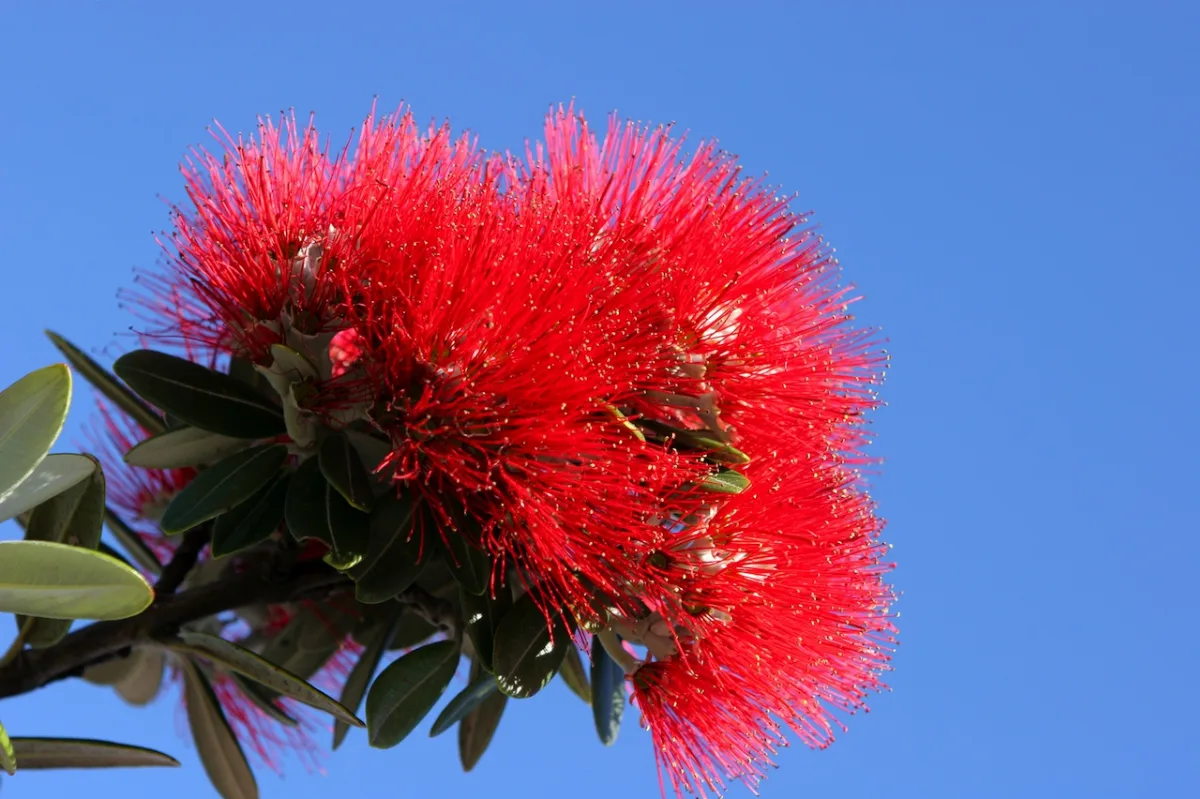
© frt
Photos:
narodnz.com.
Communauté russophone en Nouvelle-Zélande