Rotorua est l’une des étapes les plus fortes de l’île du Nord: géothermie, culture maorie, forêts, lacs et odeur de soufre.
En bref
Idéal pour
Geothermal and Maori culture base with lakes, forest trails and hot pools.
Meilleurs mois
Summer suits lakes and biking; winter makes steam and hot pools more atmospheric.
Se déplacer
Use a car or tour for geothermal parks and evening experiences; the centre is walkable.
Durée conseillée
Allow 2 days for highlights, or 3 if you want several parks and the Redwoods.
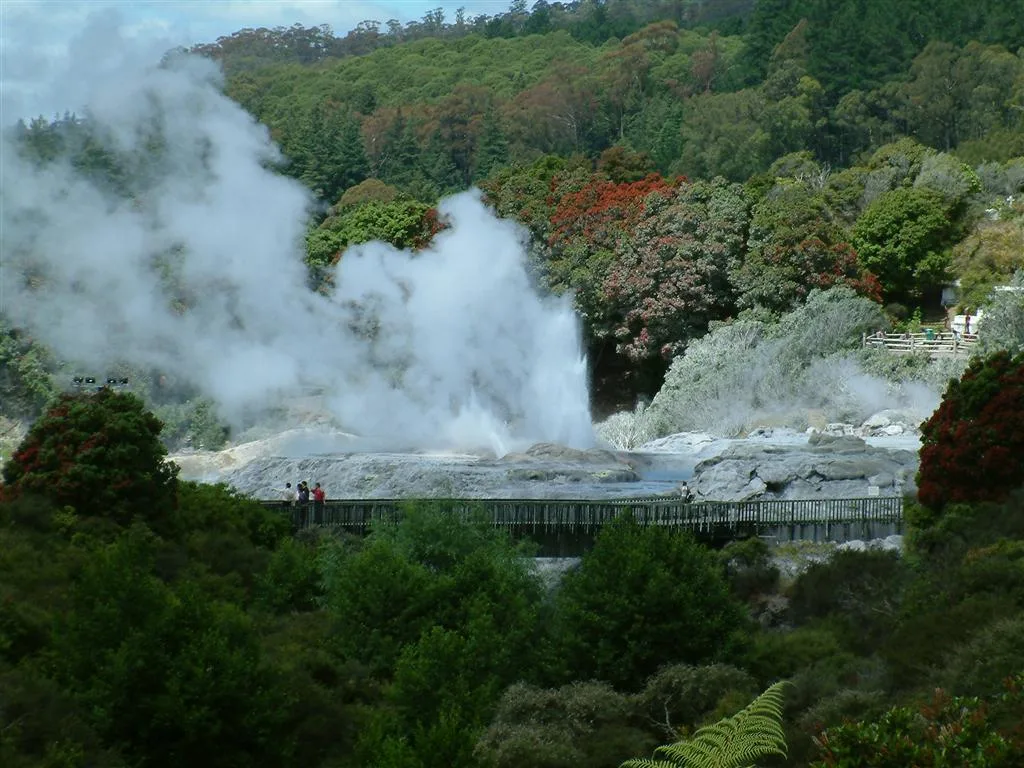
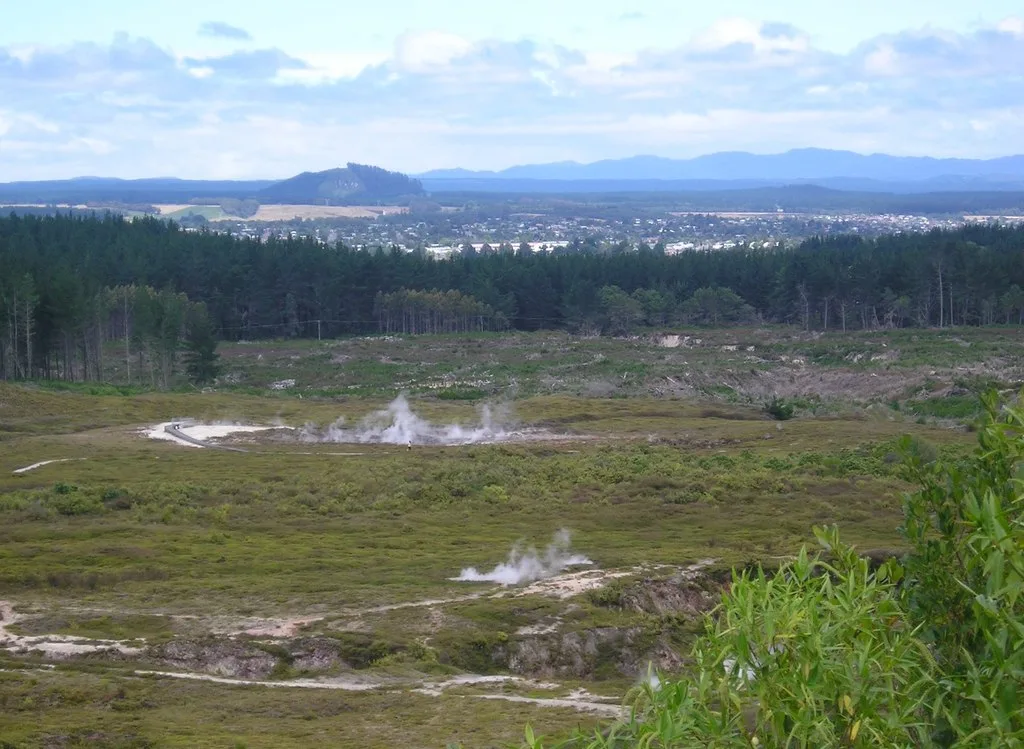
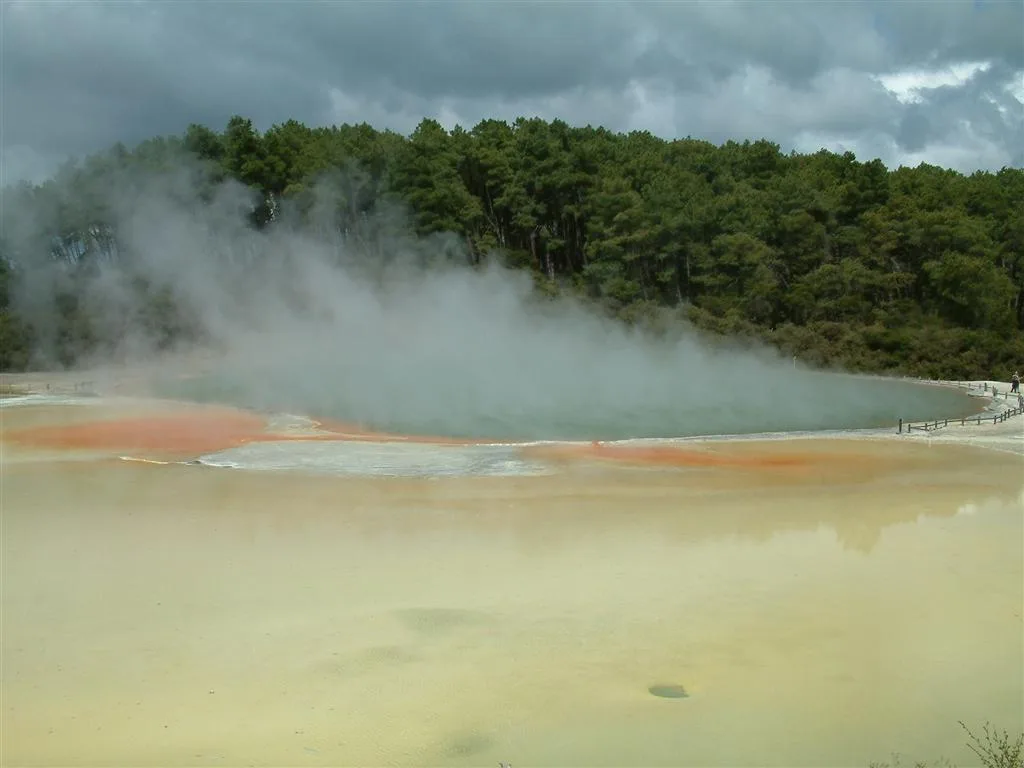
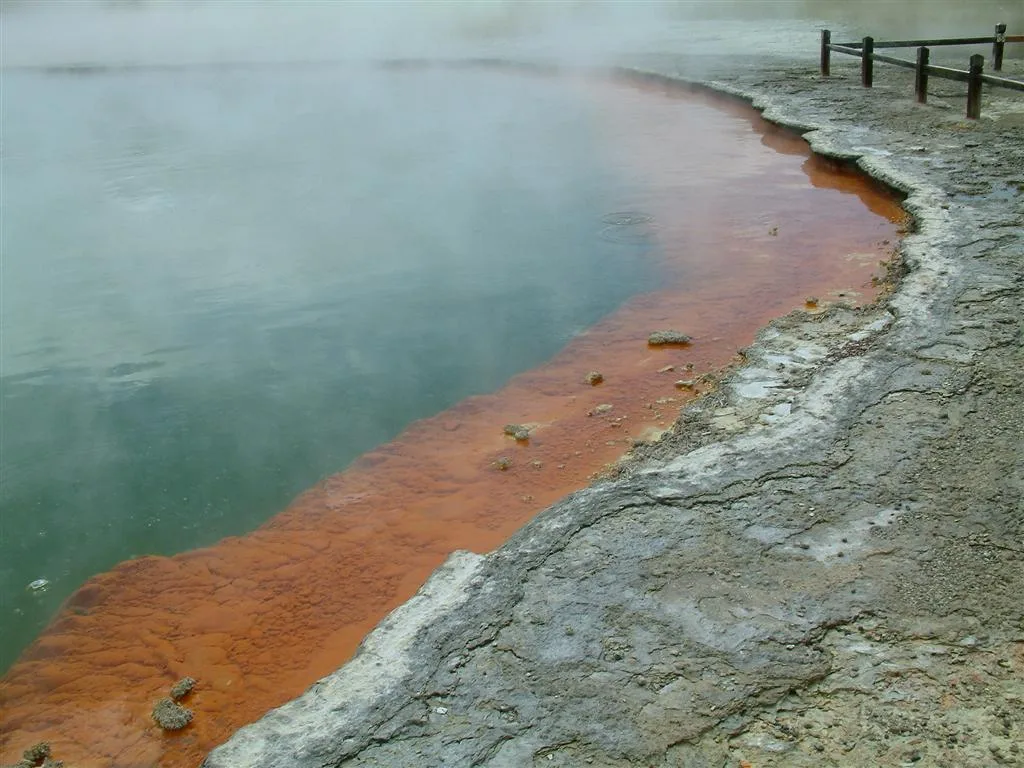
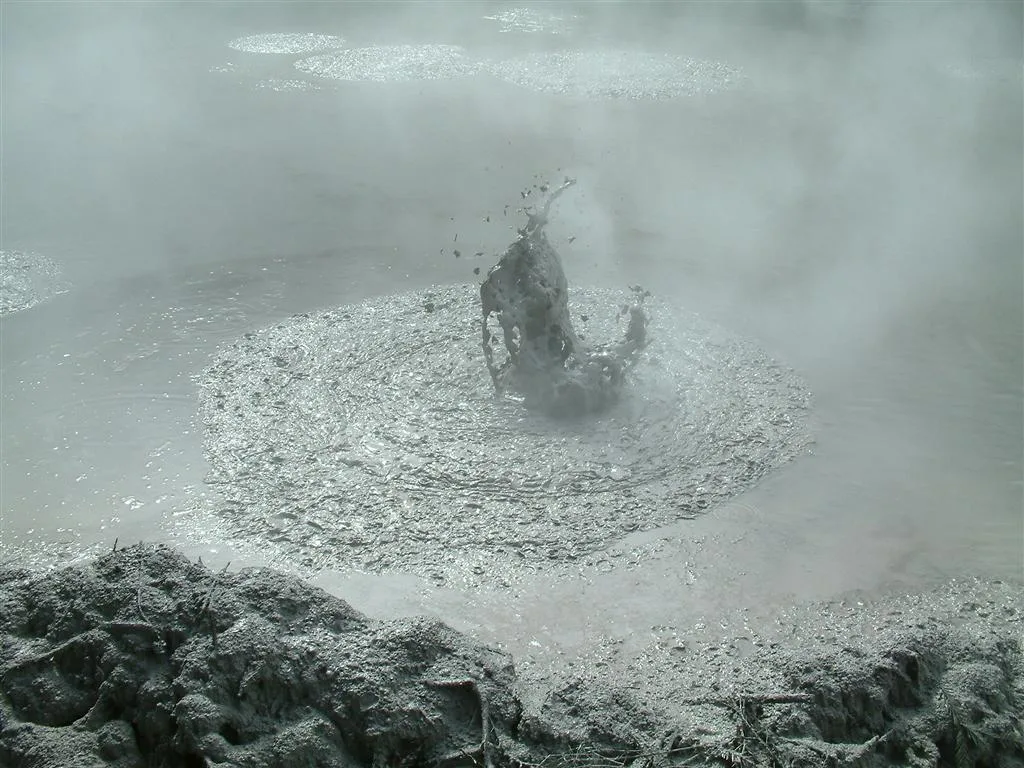
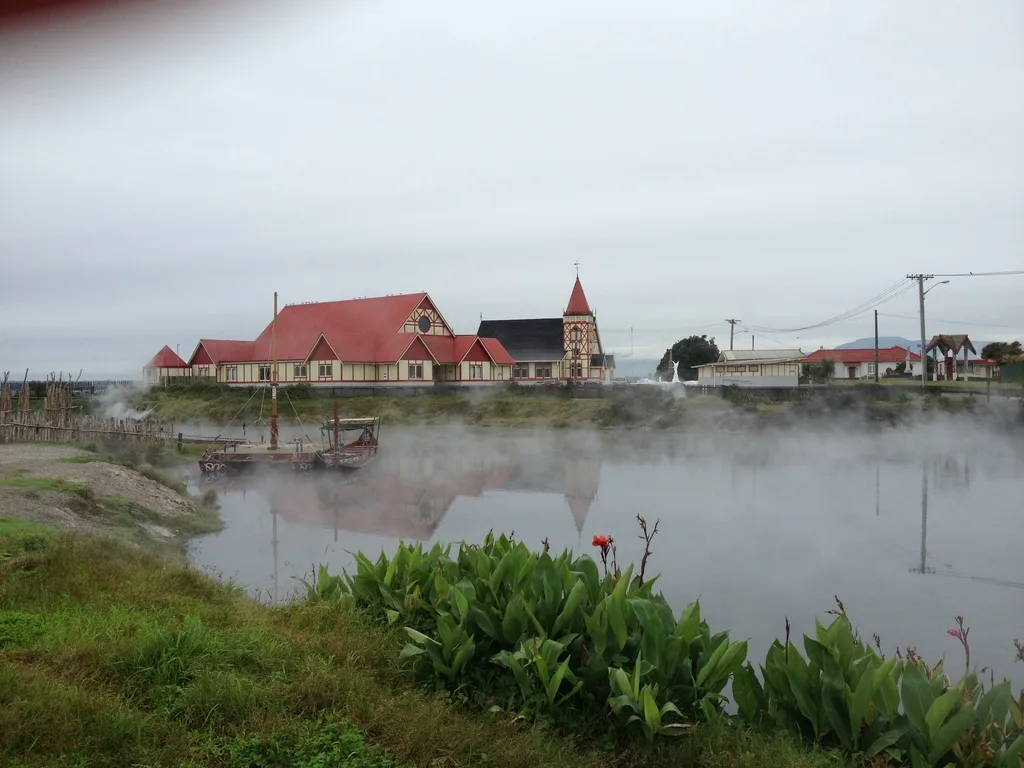
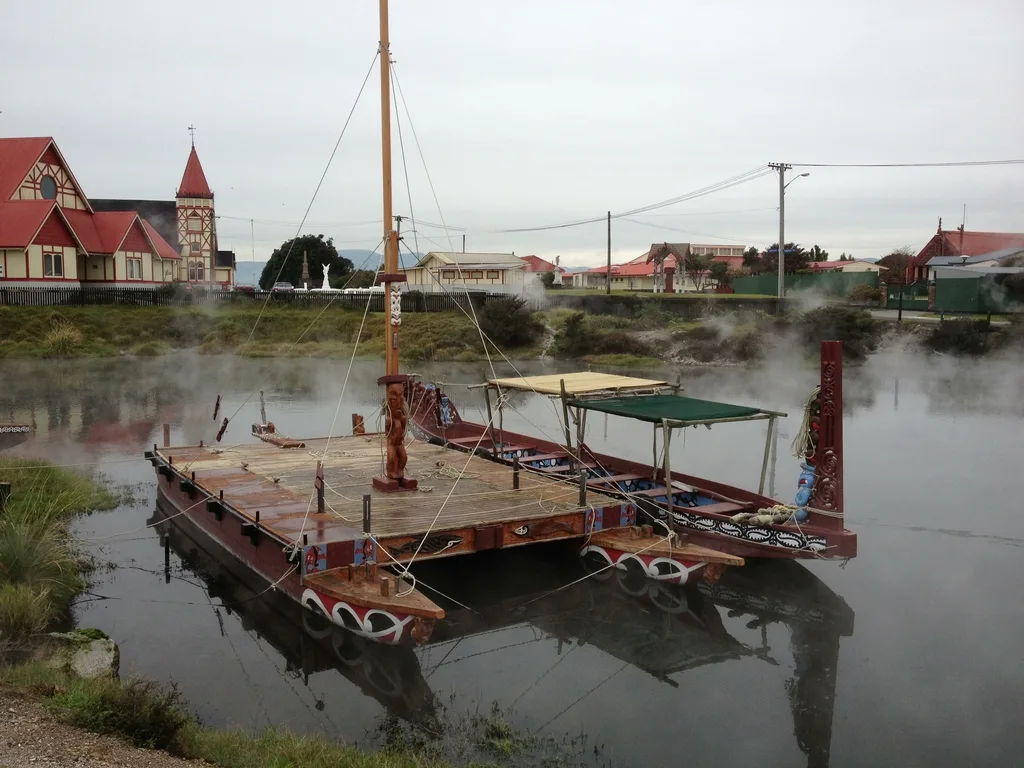
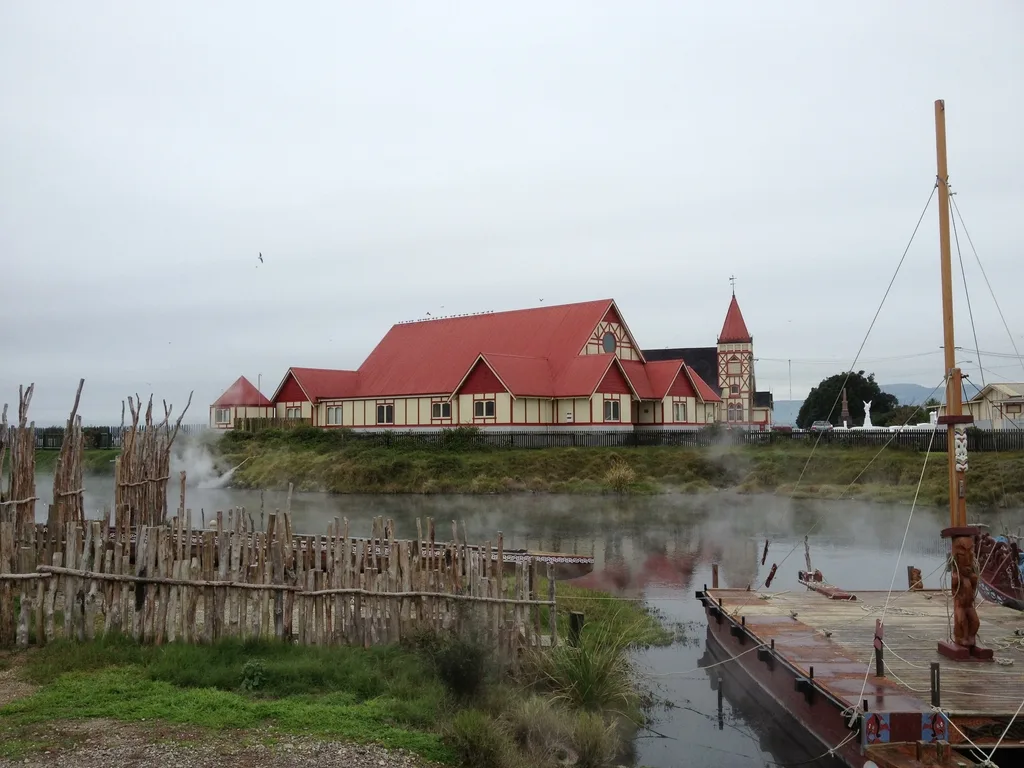
Rotorua ne ressemble pas aux autres villes néo-zélandaises. La vapeur sort parfois du sol, les parcs sentent le soufre, et les zones géothermiques autour de la ville montrent des couleurs et des paysages rares. Kuirau Park donne un premier aperçu gratuit.Choisissez ensuite selon votre budget: Wai-O-Tapu pour les couleurs, Te Puia pour le geyser Pōhutu et l’art maori, ou une soirée culturelle avec hāngī. Les forêts de Whakarewarewa sont excellentes pour marcher ou faire du VTT.
Combien de temps
Deux nuits sont utiles pour voir un parc géothermal, une expérience culturelle et les forêts sans courir. Une seule nuit donne un aperçu, mais vous devrez choisir fortement.
Conseils
Certaines attractions sont chères. Combinez une visite payante avec des lieux gratuits comme Kuirau Park, le lac ou les promenades en forêt. L’odeur de soufre surprend au début, puis on l’oublie assez vite.
Meilleure période
Rotorua se visite toute l’année. L’été est plus chargé; l’hiver rend les sources chaudes encore plus agréables.
Se déplacer
Une voiture facilite les parcs géothermiques et les lacs. Le centre, Kuirau Park et certains restaurants se font à pied.