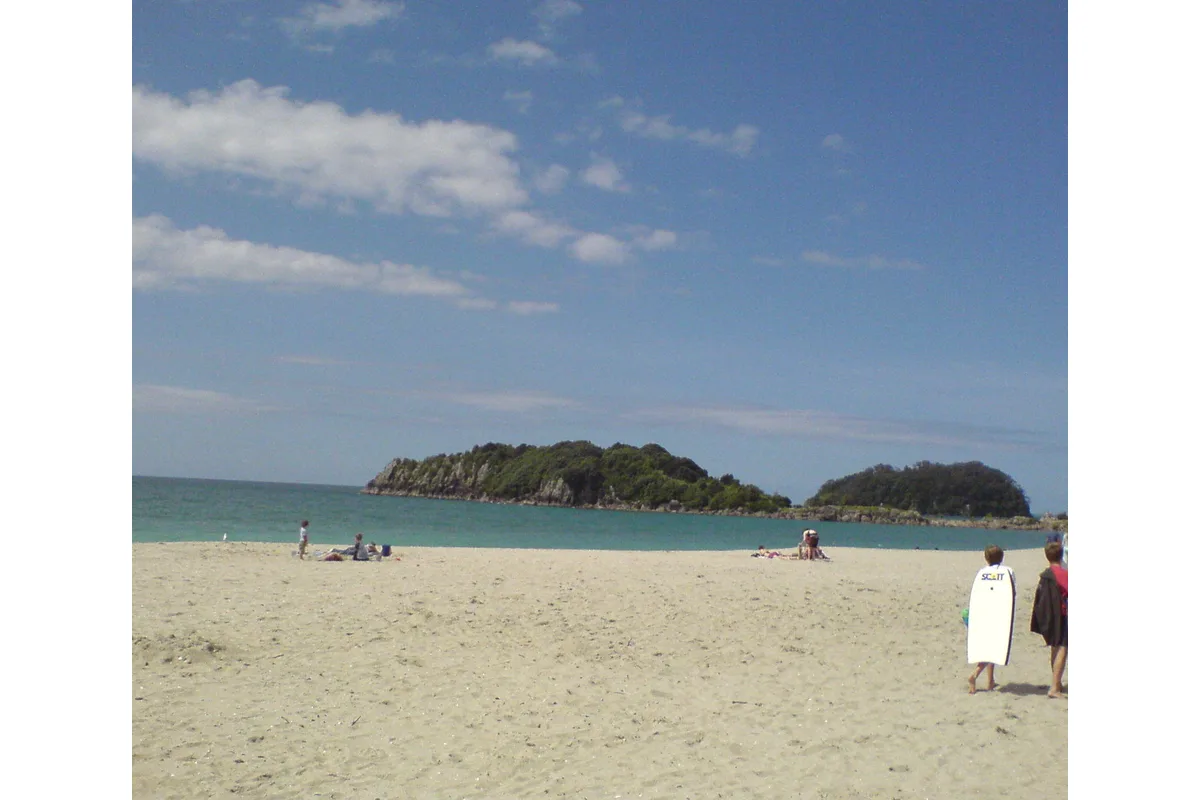
Tauranga
Tauranga is a port city in the Bay of Plenty. Neighbouring Mount Maung...
Rotorua lies on a geothermal field in the central North Island, with hot springs, geysers, Māori cultural sites, forests and lakes.
Rotorua combines geothermal sites and Māori cultural visits with forest walks and mountain-bike trails.
Mud pools, hot springs and geysers can be seen at geothermal parks. Stay on marked paths and boardwalks, respect barriers and follow the site’s instructions around hot ground and water.
Kuirau Park is free and has geothermal walkways near the centre. Stay on the paths around hot ground and pools. Commercial parks and cultural evenings sell separate tickets; choose the actual attraction and package rather than using one generic park price. The Redwoods forest walking trails, lakefront and Government Gardens also offer outings without an attraction admission ticket. Kuirau Park visitor information.
Rotorua’s geothermal areas emit a sulphur smell whose intensity changes with the weather. It may be barely noticeable on some days and stronger on others. Rotorua NZ’s explanation.
Rotorua can be visited throughout the year. Summer, from December to February, has longer days for geothermal parks, forest walks and lake outings. Spring and autumn also allow you to combine outdoor visits with hot pools, while keeping a rain jacket and warm layer handy.
Winter, from June to August, has shorter days and colder conditions. Hot pools can be part of a winter visit, but a geothermal attraction is still an outdoor outing where paths may be wet and the air cold. The Bay of Plenty has varied conditions and plentiful rainfall, so season alone does not tell you what weather to expect on a particular day. NIWA: Bay of Plenty climate.
The lakefront, Kuirau Park and Government Gardens can be linked on foot. Te Puia is at 20 Hemo Road in Rotorua. The Redwoods Treewalk is about 5 km southeast of the centre; its operator identifies a Cityride stop near the end of Long Mile Road, followed by roughly 1 km on foot to the visitor centre. Wai-O-Tapu is a separate outing south of Rotorua. Compare the bus route, walking distance, tour pickup and car journey for each attraction rather than assuming they all share one transfer.
Rotorua city-centre parking has different paid zones. In Zone 1, the first hour is free once per day only after registering the number plate. Zone 2 has no free first hour. Read the signs for the space you use; neither a free space nor a low daily cost is guaranteed.
Rotorua Airport describes the drive from the city centre as about 10 minutes; traffic can add time. Air New Zealand serves Auckland, Wellington and Christchurch. By road, allow roughly three hours from Auckland or an hour from Tauranga via SH36 before stops and delays; use current road conditions for the actual trip. Rotorua transport; Te Puia access; Redwoods access; Council parking zones. Airport transport.
Choose one geothermal operator rather than trying to see every park. Te Puia’s Te Rā guided experience is listed at 90 minutes; it is a specific booked tour, separate from other meal or evening products.
Arrive from Hobbiton with the evening free. Use the full day for the prebooked visit, lunch and a flexible lakefront walk. Continue to Taupō on the following morning.
Central accommodation suits restaurants; staying near a geothermal operator can reduce that transfer but adds travel for town meals. Confirm parking and any shuttle in the actual booking.
Guided outdoor visits can still involve rain. Ask the operator about cancellation and shelter; use a shorter town day if conditions or fatigue require it.
Confirm the specific walking route, gradients, rest points and toilet access with your chosen geothermal operator. Do not leave marked paths or touch geothermal water.
Rotorua
If this page was useful, please share it with someone who might appreciate it.
Editorial responsibility: NarodNZ. We maintain this independent guide and welcome corrections. Send a correction