Milford Sound
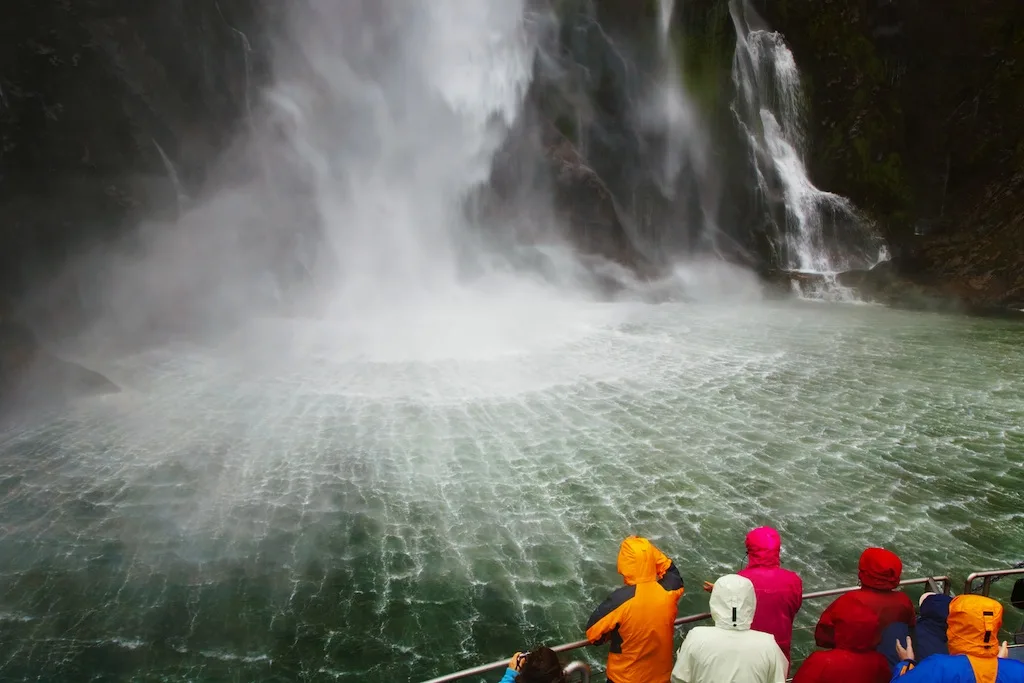
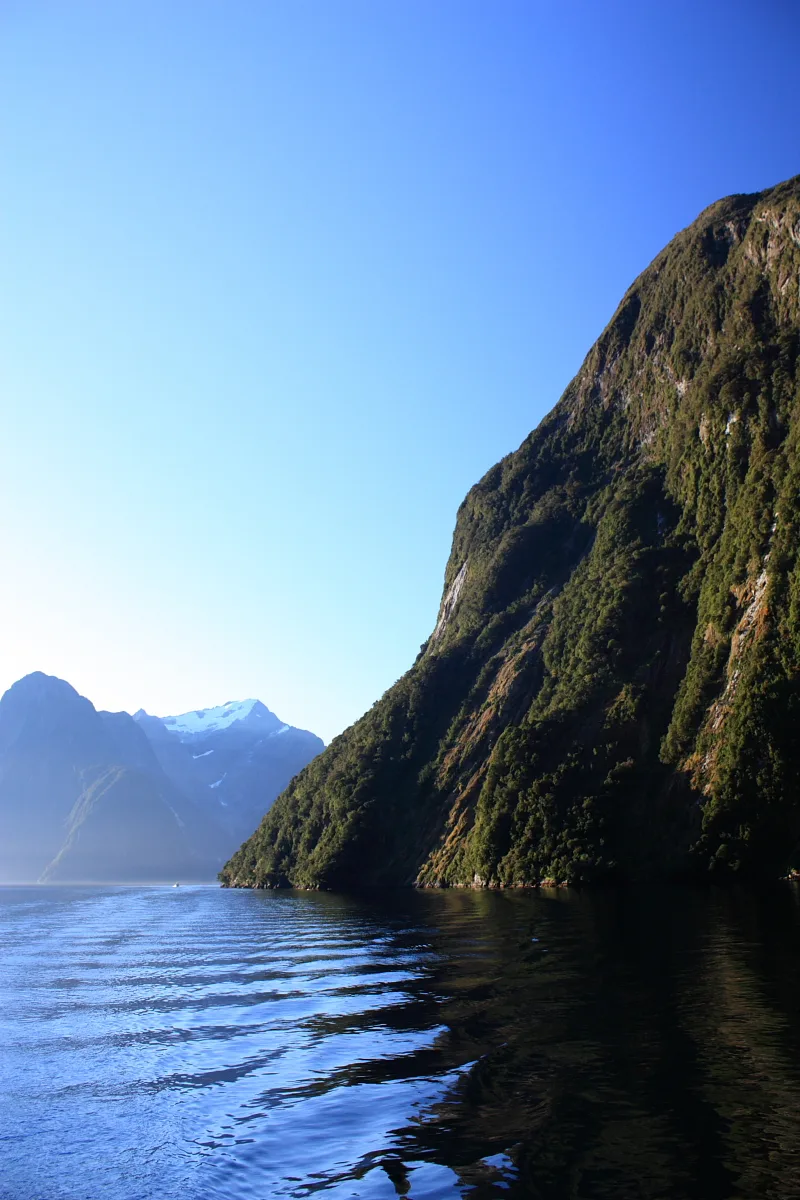
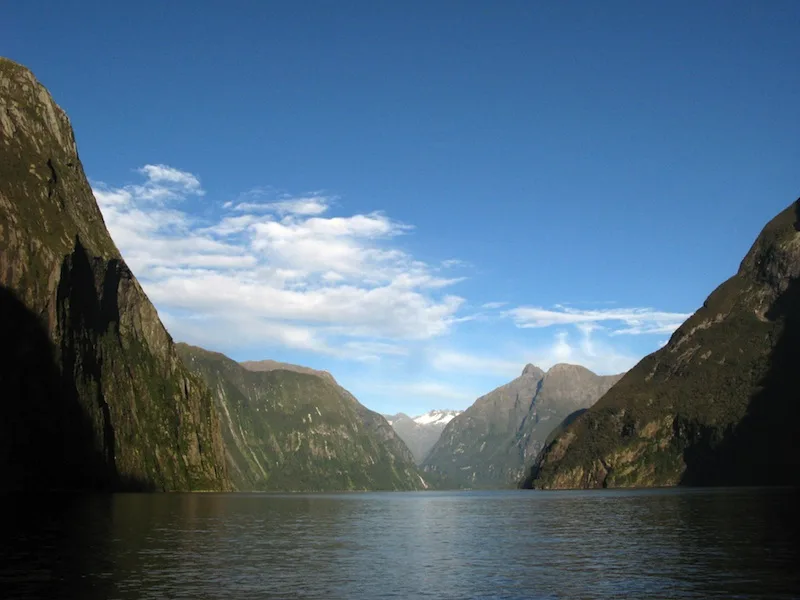
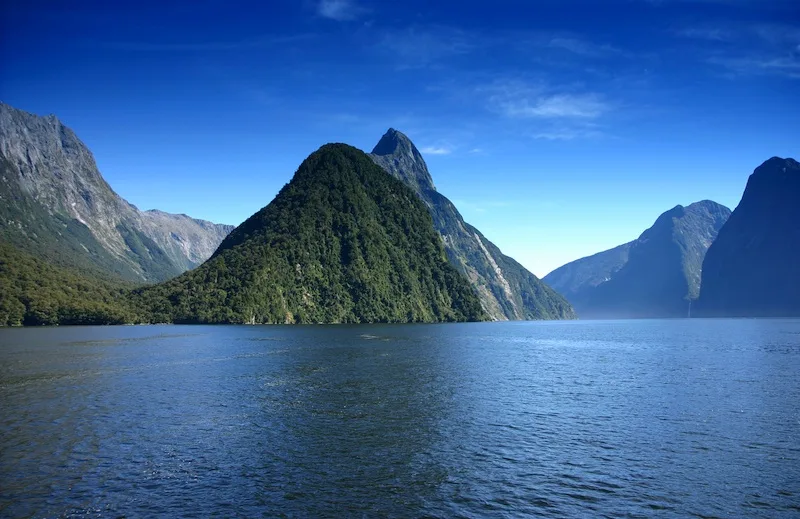
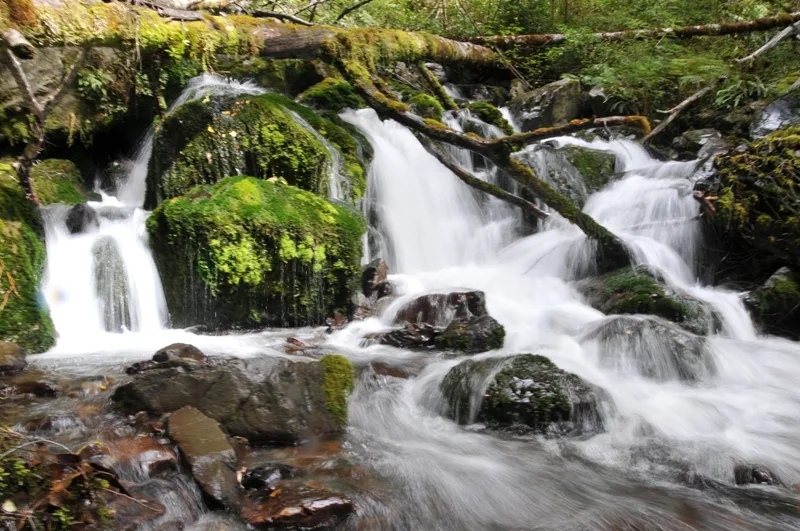
Milford Sound is the most famous fiord in New Zealand, and on a good day the cliffs and waterfalls live up to it. The reason to come is the scale: sheer rock walls rising straight out of dark water, with Mitre Peak at the head of the sound. It rains a lot here, but heavy rain only adds waterfalls, so a wet visit can be better than a dry one.
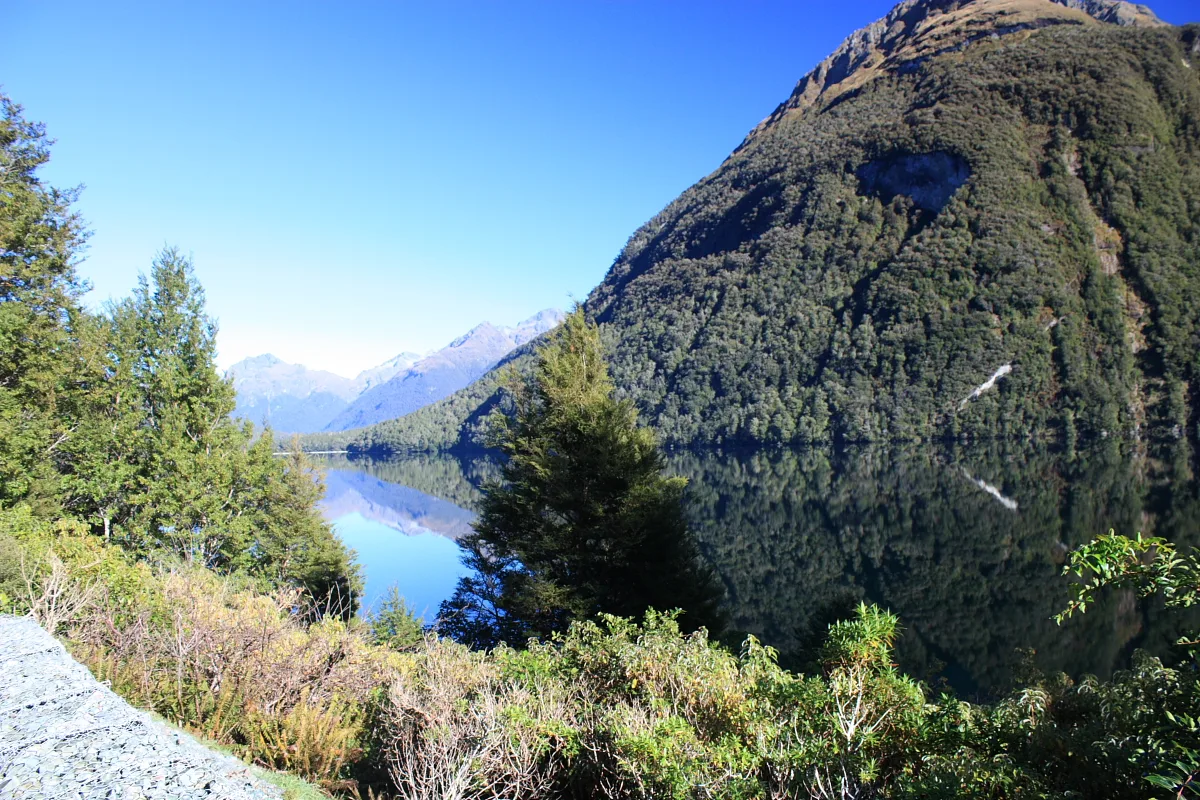
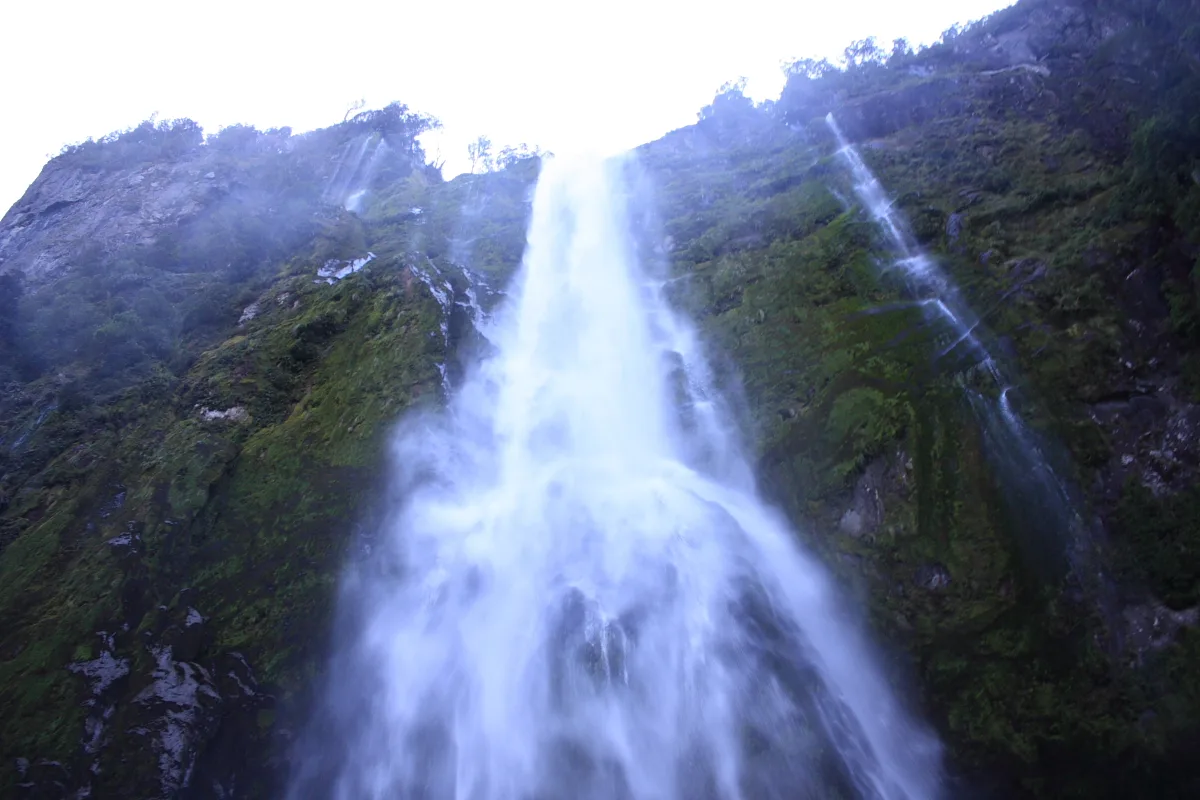
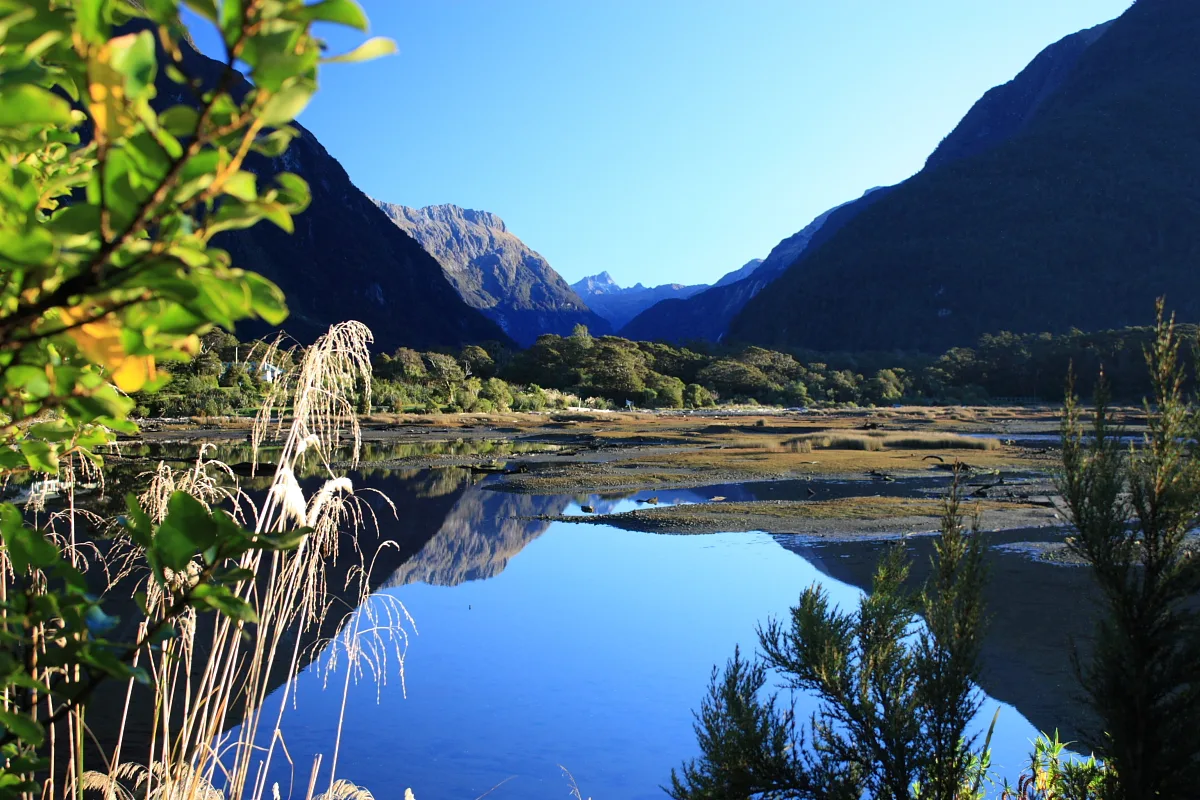
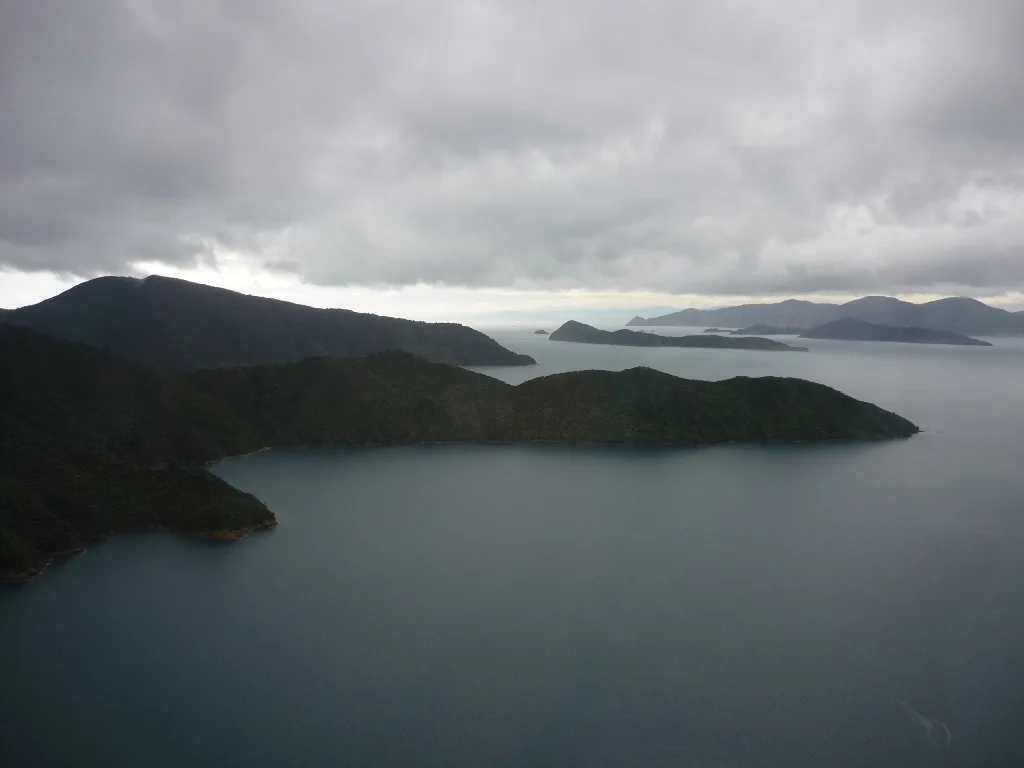
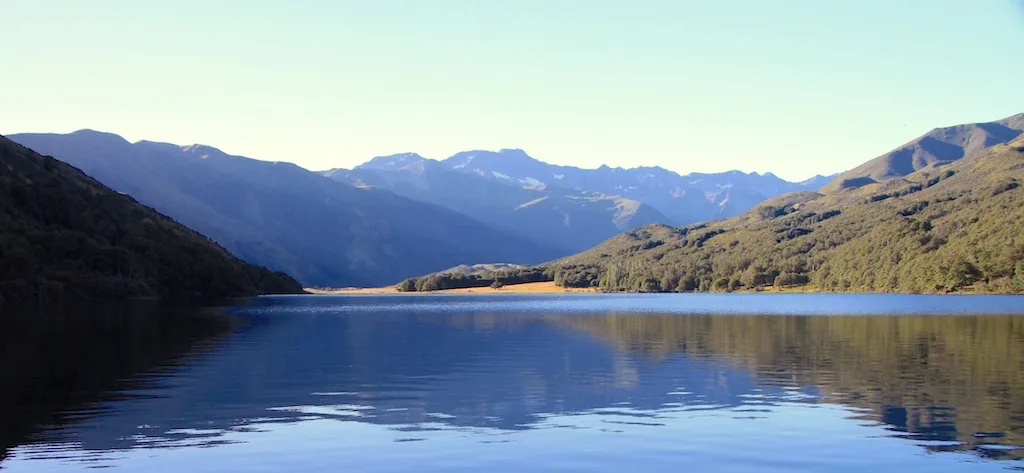
Milford Sound sits at the end of a long road through Fiordland National Park. The fiord was carved by glaciers and reaches inland from the Tasman Sea, framed by peaks over 1,500 metres. Most visitors come for a boat cruise out to the sea entrance and back, passing Stirling Falls and Bowen Falls on the way.
What there is to do
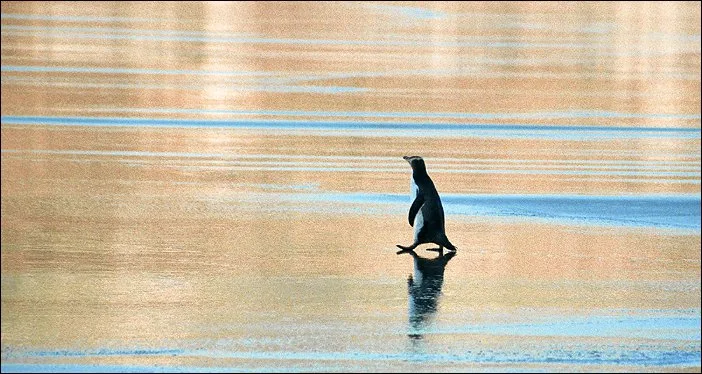
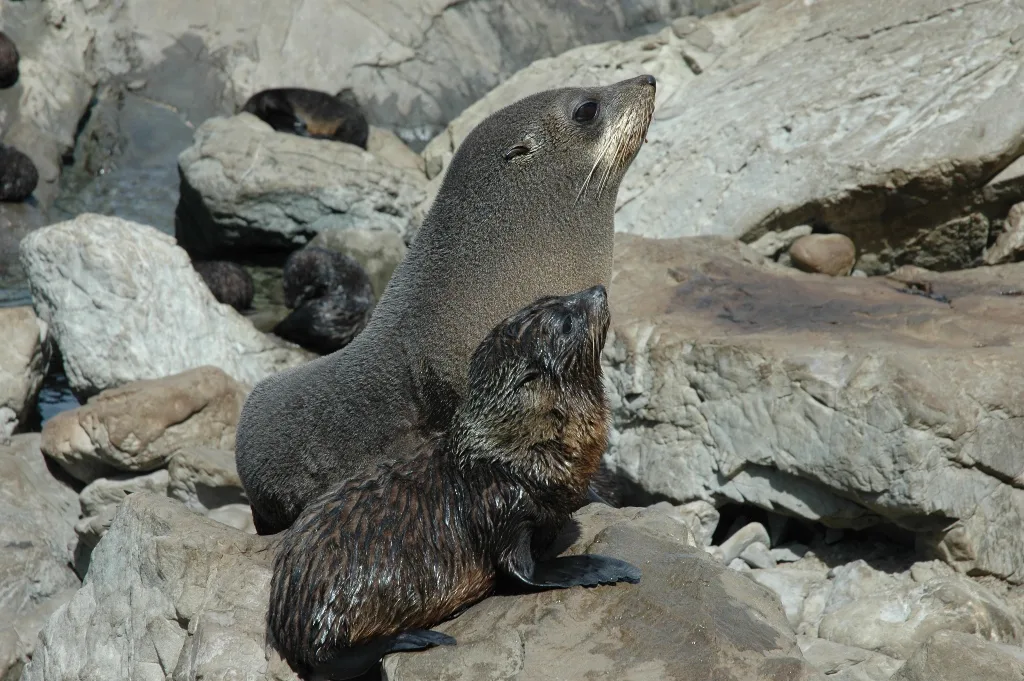
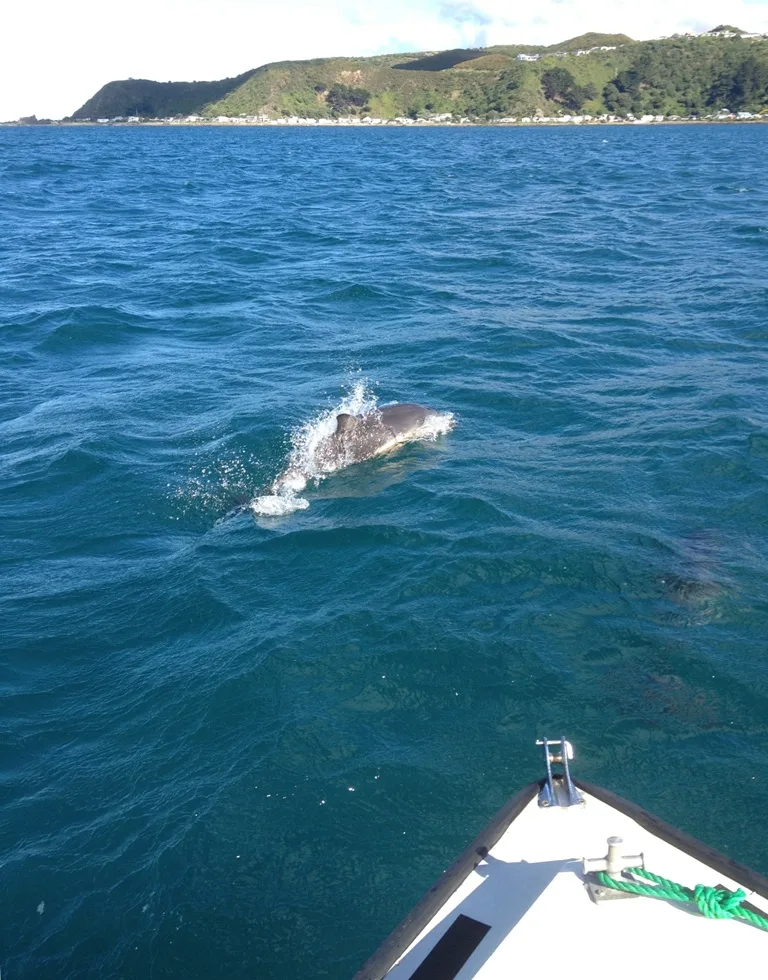
The water itself is the attraction. Cruises run close under the falls, seals haul out on the rocks, and dolphins and penguins turn up at times. There is an underwater observatory partway along the sound for those who want to see the marine life. On land, short walks near the wharf and the Chasm on the road in fill spare time.
Tours & activities
The standard way to see the fiord is a scenic cruise of about one hour 45 minutes. Several companies run them from the Milford terminal, and prices are roughly NZD 95 to NZD 130 for an adult, less if you book online ahead. Smaller boats cost more but get closer to the walls. Overnight cruises that sleep aboard run higher again.
Kayak trips let you paddle under the cliffs at water level, typically NZD 130 to NZD 220 with a guide. If you have no car, coach plus cruise packages leave from Te Anau and Queenstown and bundle the long drive with the boat. Book ahead in summer; the midday cruises sell out and the car park fills early.
Getting there
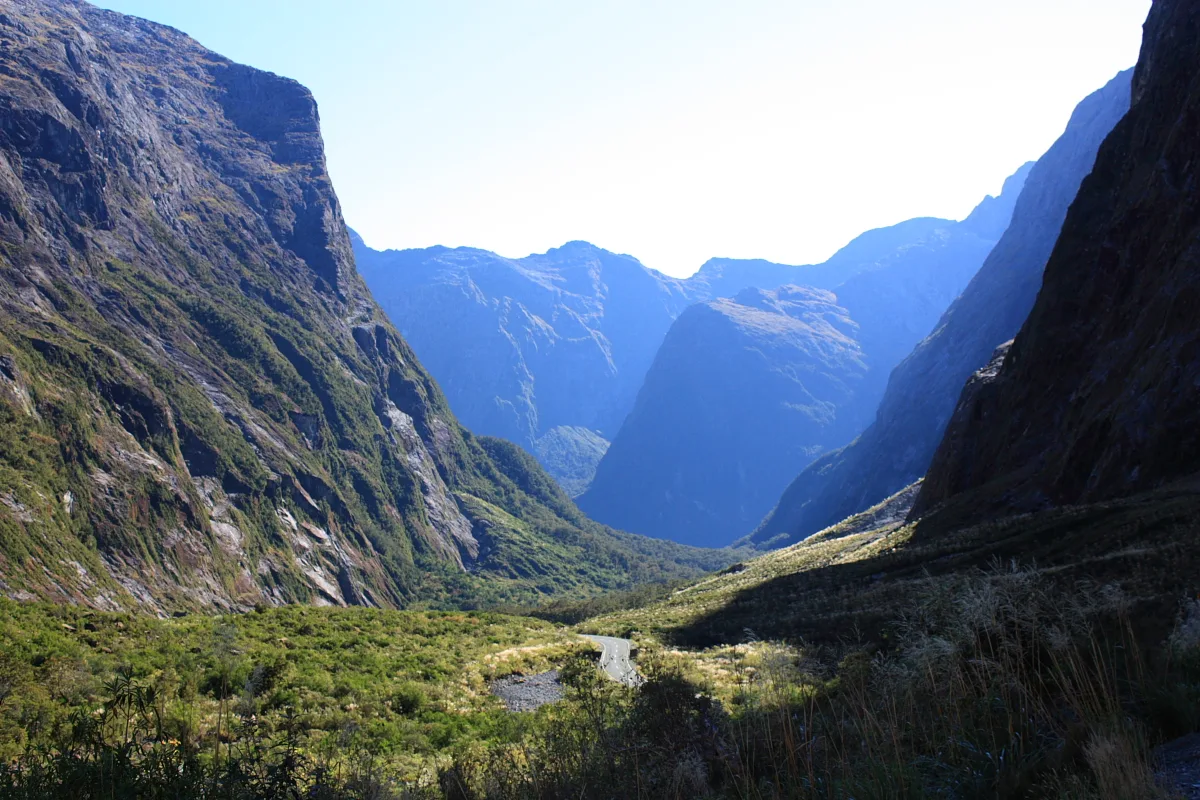
There is no quick way in. From Te Anau the drive is about 120 km and takes two hours without stops, but the road is so scenic that most people take three. From Queenstown allow four to five hours each way, which is why many do it as a long day tour by coach. The last stretch goes through the single-lane Homer Tunnel, where you may wait at the lights.
Fuel up in Te Anau, as there is none at Milford. In winter the alpine section can require chains and sometimes closes after snow, so check the road status before leaving.
Best time to visit
Milford is open year round. Summer (December to February) brings the longest days, the most cruises and the biggest crowds, plus sandflies at the wharf, so carry repellent. Autumn is quieter with stable weather windows. Winter is cold and the road needs care, but the air is clear and waterfalls still run from snowmelt and rain. There is no truly dry season here; rain is normal and feeds the falls, so do not cancel over a forecast of showers.
Tips
- Book the cruise online ahead in summer; midday departures fill first.
- Carry sandfly repellent for the wharf and any stops.
- Fill the tank in Te Anau, there is no fuel at Milford.
- Bring a rain jacket and warm layers whatever the forecast.
- Leave early to beat the tour coaches that arrive late morning.
- Allow extra time for the Homer Tunnel lights and roadside stops.
- In winter check the road status and carry chains if advised.
- A wet day means more waterfalls, so do not let rain put you off.
FAQ
Photos